From Cafeteria to Classroom
Empowering the Next Generation of Environmental Leaders
Transform Waste into
Lessons and Sustainability
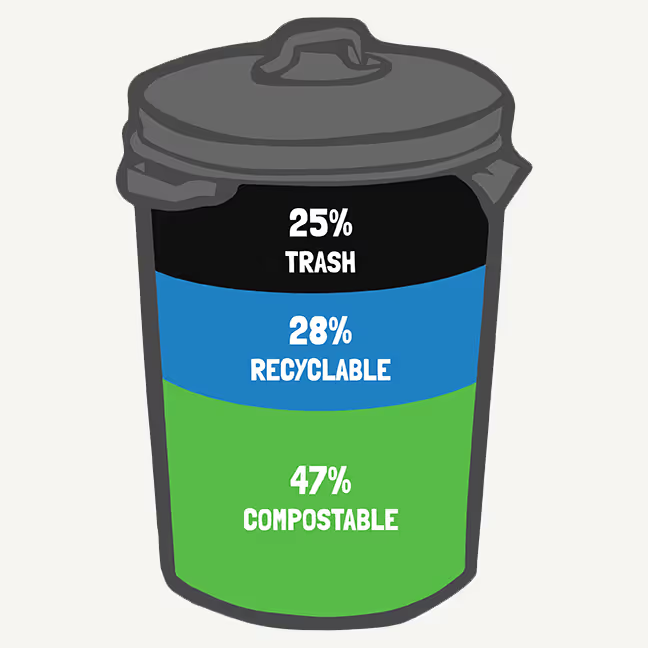
A Visible Commitment to Sustainability
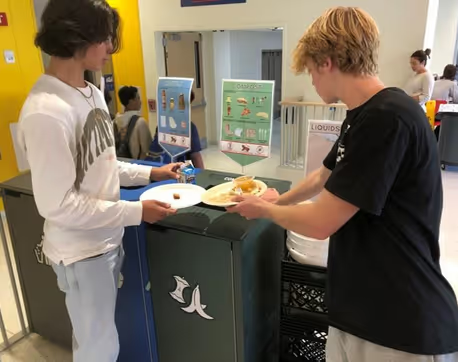
Showcase your school's dedication to environmental stewardship. A composting program is a powerful, visible statement to parents and the community that you are actively building a greener future and instilling critical values in your students.
An Engaging Educational Tool
Composting offers a practical, hands-on way to teach concepts in biology, ecology, and environmental science, helping students connect their daily actions to a larger impact. It's the perfect anchor for a Green Team or a school-wide sustainability initiative.
A Smart Operational Decision
Reduce your school's waste by diverting heavy food scraps from the trash.
How It Works:
A Simple, Supported Process
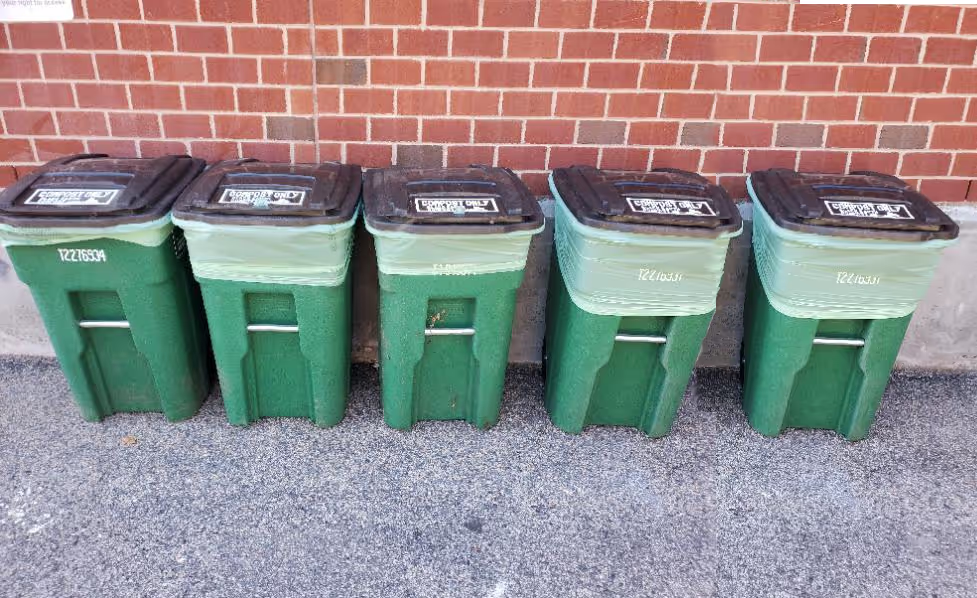
Plan & Strategize
We start with a consultation to design a custom program that fits your school's needs, from the number of bins to the collection schedule.
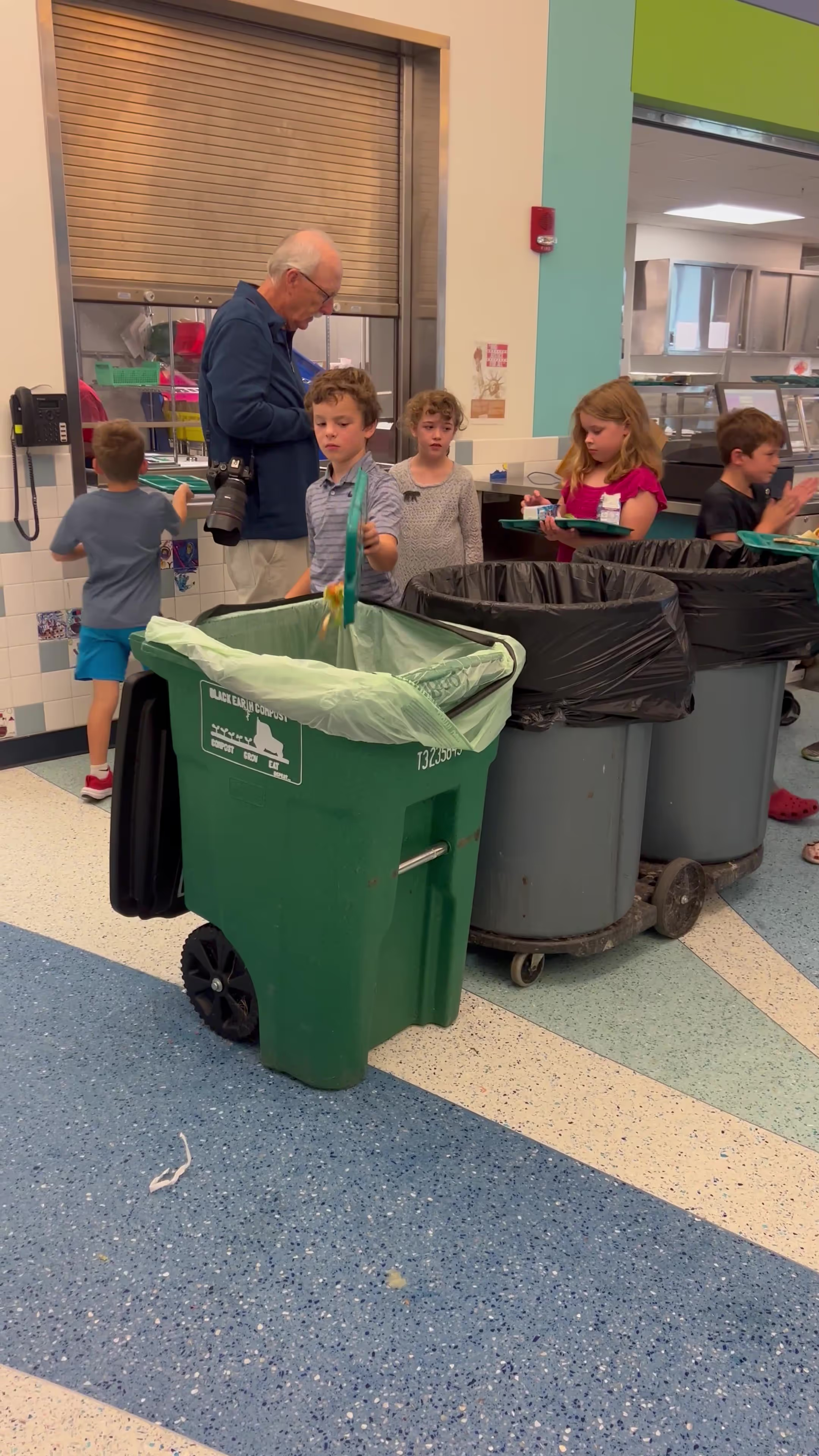
Launch & Educate
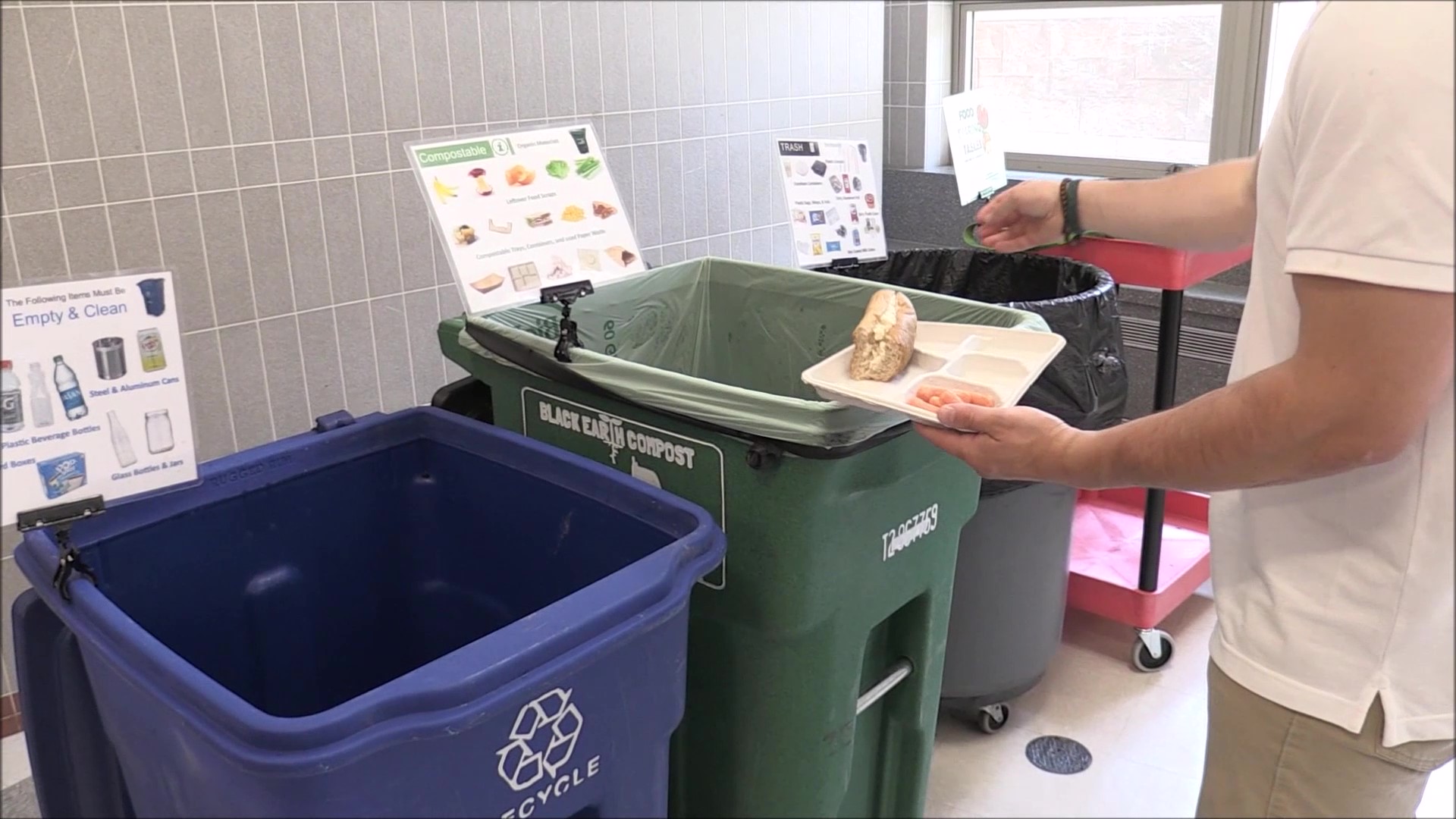
We provide sturdy Toter bins, and clear multilingual signage. You'll have a single point of contact from set up through implementation.
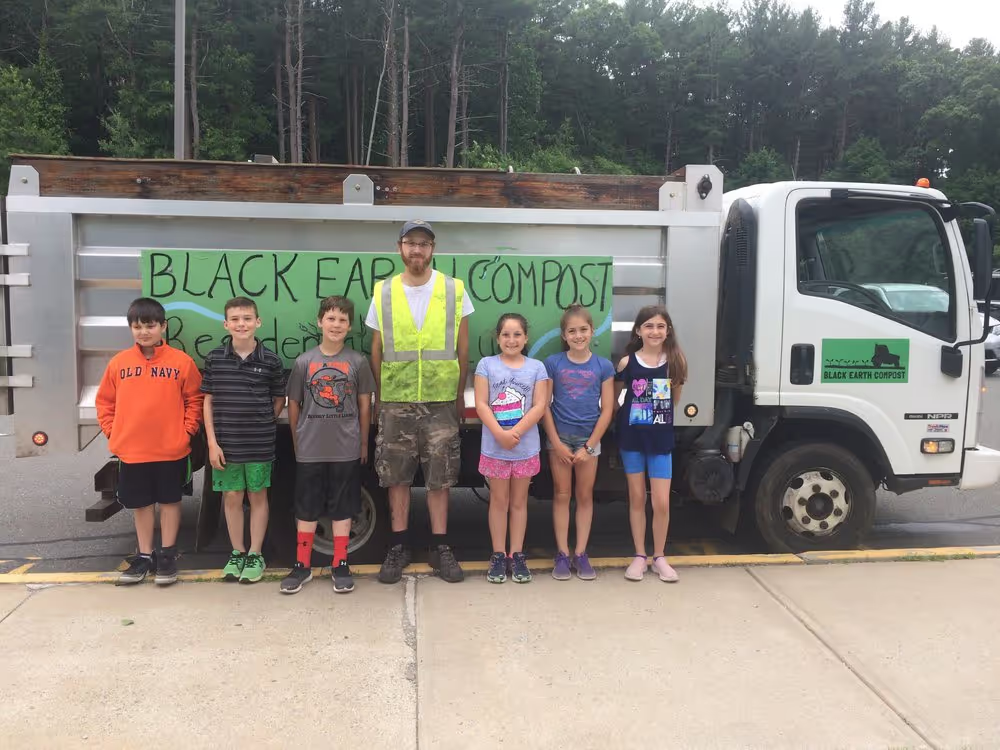
Reliable Pickups
Our professional, friendly drivers handle the weekly collection of all food scraps, leaving you with a relined tote each pickup.
Close the Loop
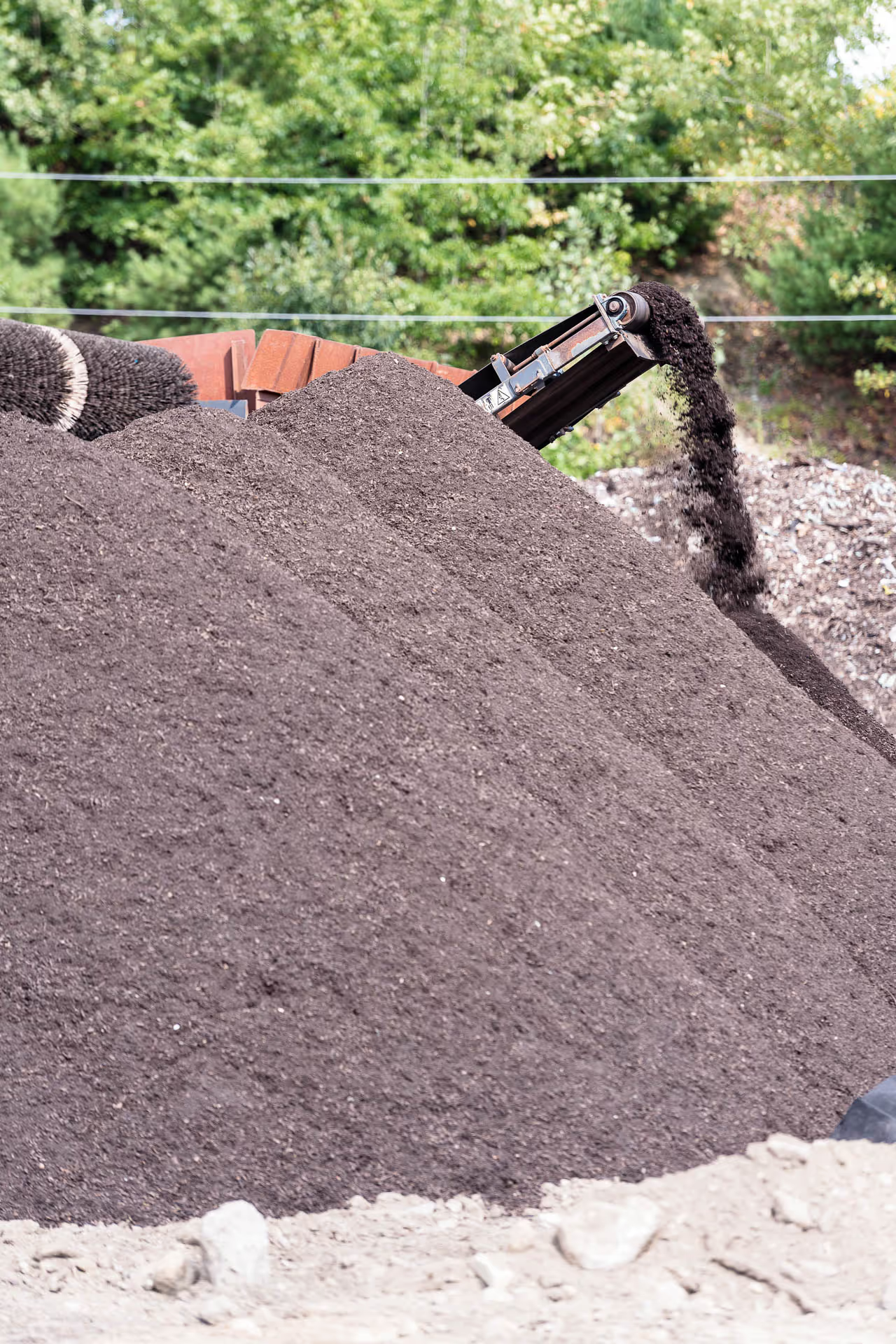
We process the food scraps at our local facilities, turning them into nutrient-rich compost that can come right back to your school.
Full Circle Learning: The School Garden Program
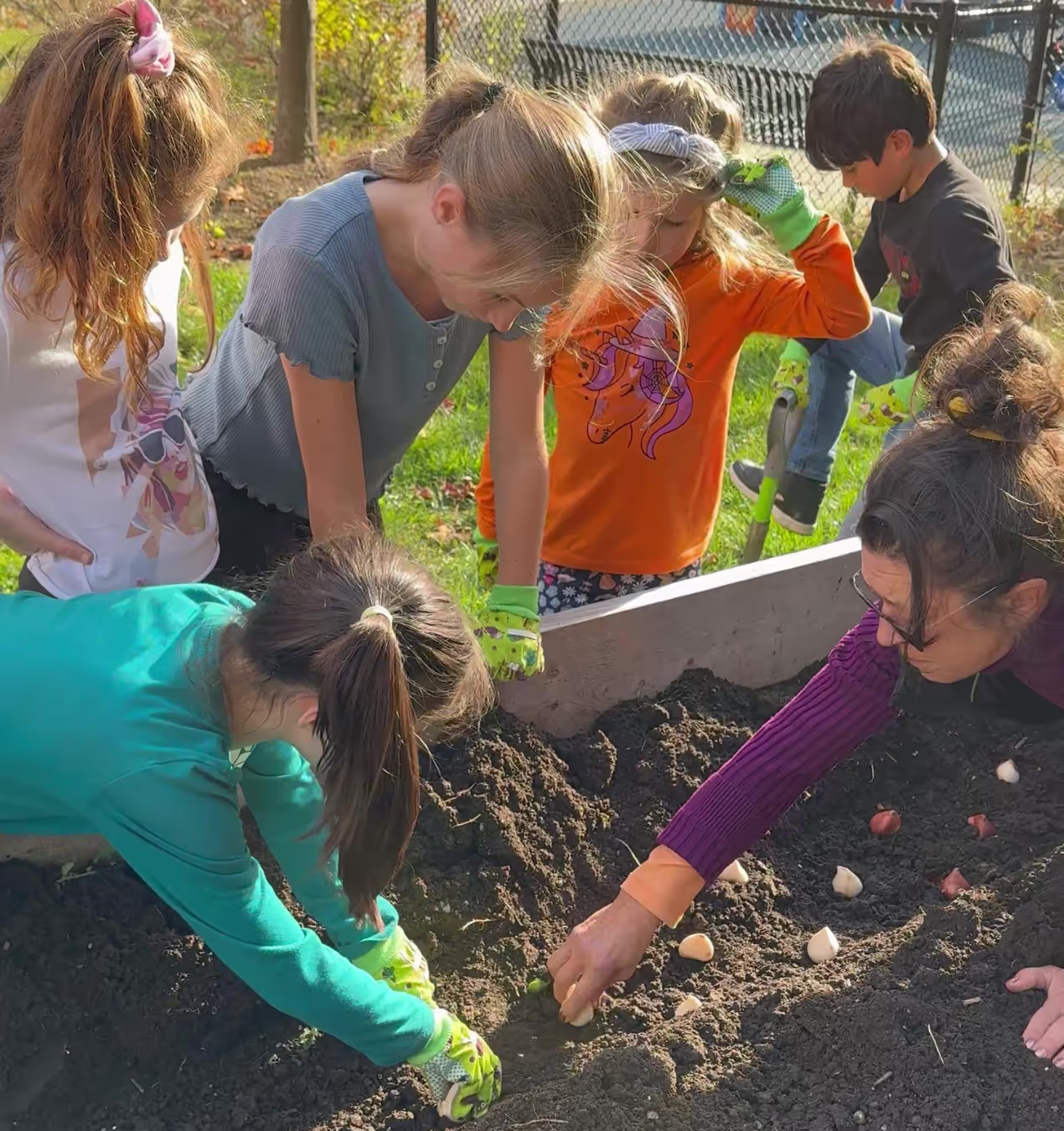
Images: Bresnahan School Garden in Newburyport.

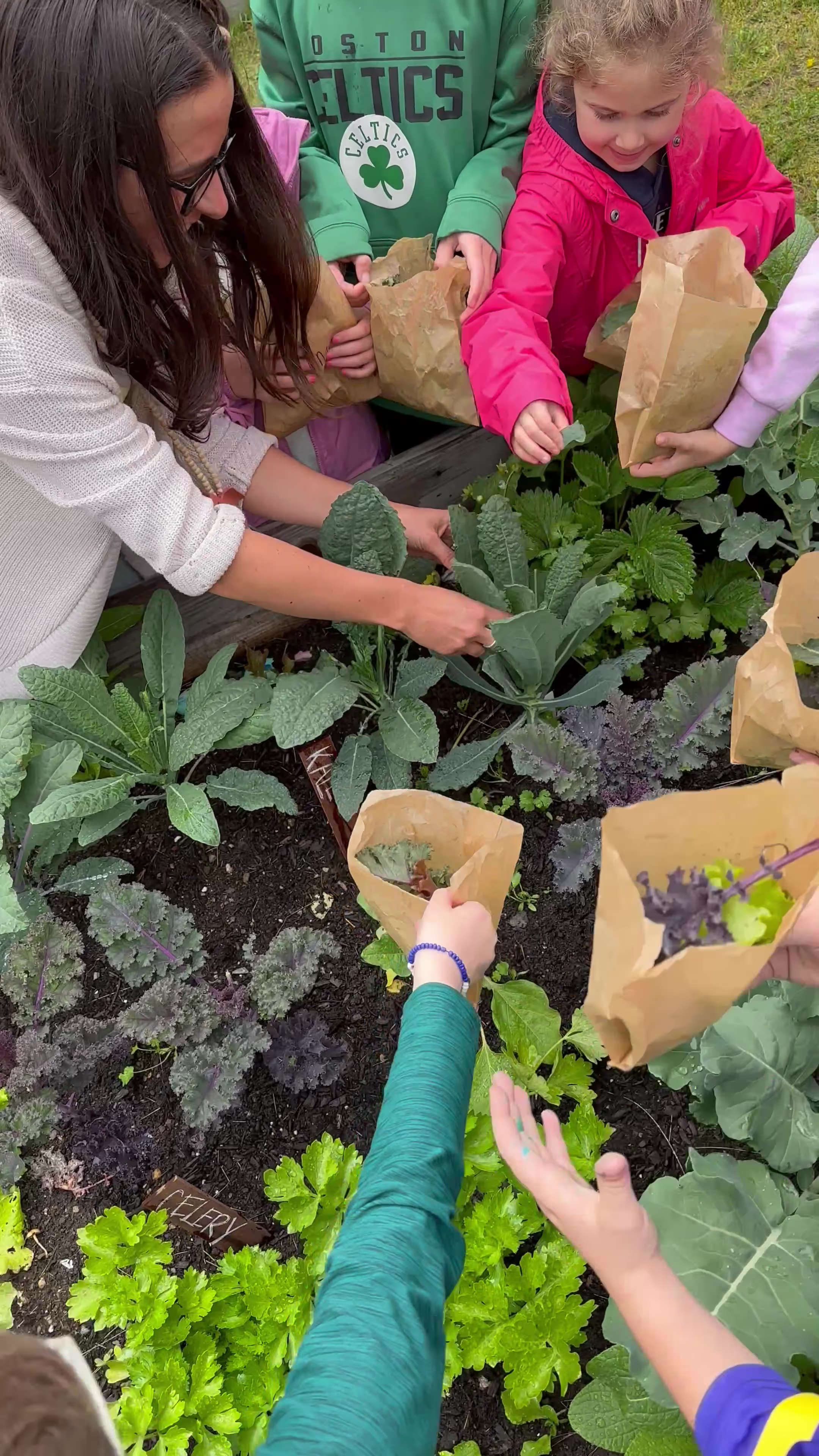
We partner with the non-profit Backyard Growers to provide curriculum and support, helping your students use the very compost they created to build raised garden beds and grow their own food. This full-circle experience connects the dots between waste reduction, soil health, and nutrition in a way that resonates deeply with students of all ages.
Do a Fundraiser
Your school earns 10% on all deliveries on online orders! Contact us to get started.
Earn $ with School Referrals
Our School Referral Program allows your school or PTO to earn credit towards your bill, a check, soil, or a raised bed for your school!
Discounts on Compost Products
Schools with collection service receive discounts on, compost, soil, and raised beds.
Join our growing network of over 300 schools





Educational Material
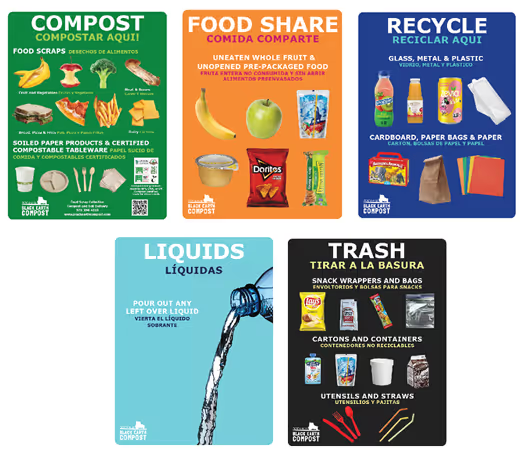
Waste Station Signage
Facilitate Zero Waste station sorting with clear signage. Available in two sizes 8.5" x 11" or 24" x 36" to download and print.
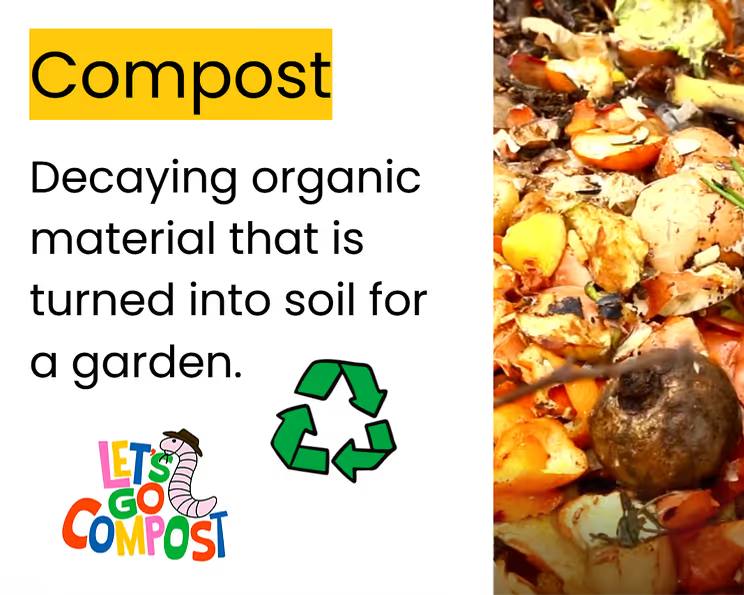
Compost Curriculum
Nonprofit Let's Go Compost offers free curriculum for K-8th grade. For in-person education we recommend Change is Simple.
Frequently Asked Questions
Get answers to common questions about our school composting programs and how they work.
Composting is the process of recycling organic waste, such as food scraps, into nutrient-rich soil. It reduces landfill waste and supports a healthier environment. Schools can use composting as a hands-on learning tool.
We turn the food scraps into compost at one of our 4 compost facilities. We offer facility tours to school groups. Composting is a better use of food scraps than digestion or sewer treatment plants.
Implementing a composting program reduces waste disposal costs and promotes sustainability. It also enhances students' understanding of environmental stewardship. Additionally, it provides a practical application of classroom lessons.
To initiate a composting program, request a free consultation with our team. We will help you design a custom plan tailored to your school's needs. Together, we can make a significant impact.
Still have questions?
Reach out to us for more information.