Moving the Needle
Widespread composting can transform food waste into a powerful solution for healing our land and combating environmental challenges
Introduction
Communities need to start adapting now, because building infrastructure and new habits takes time. Please find below a curated collection of articles that show how widespread compost adoption can move us forward sustainably.
A Double Crisis: Landfills & Land
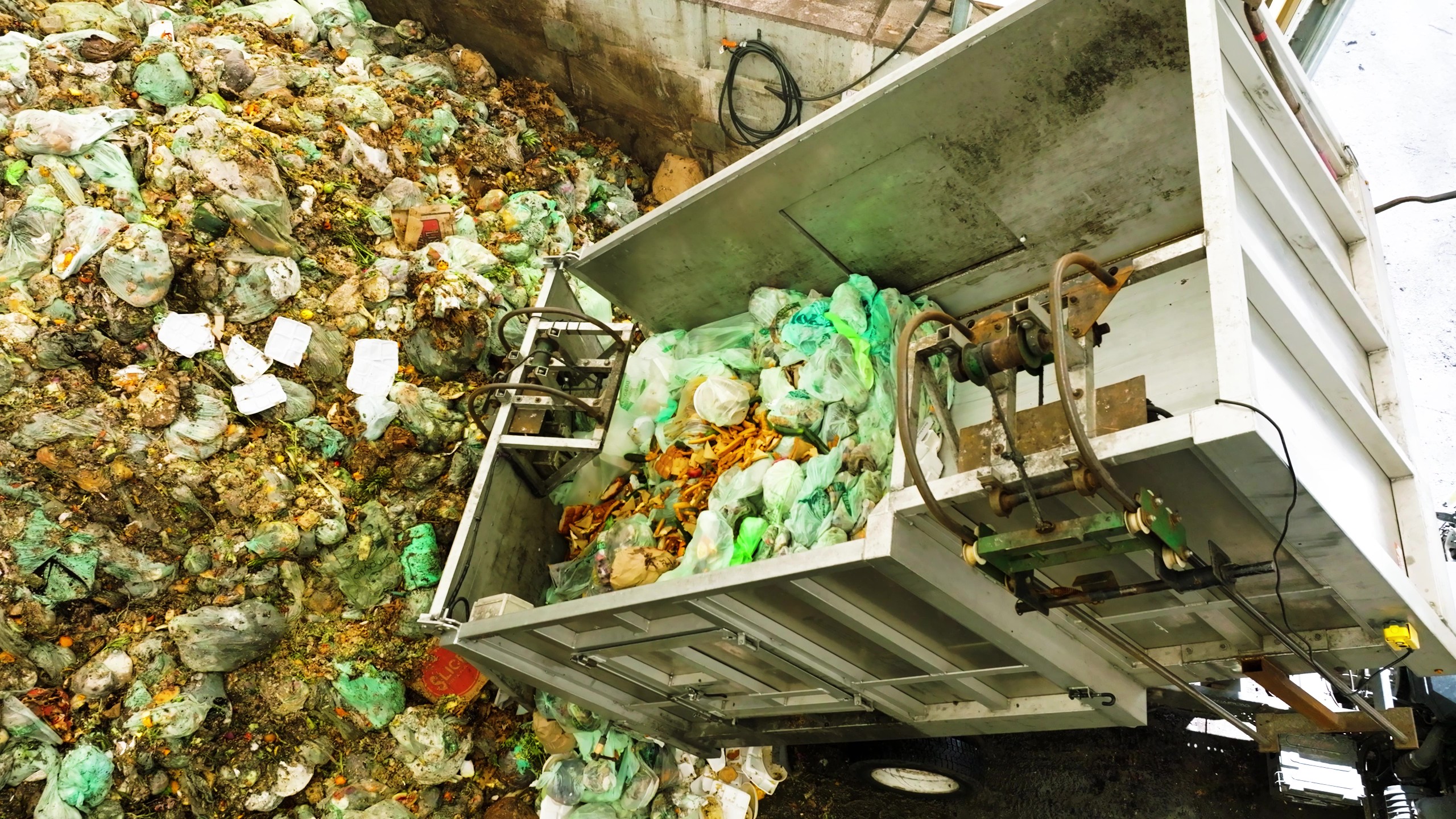
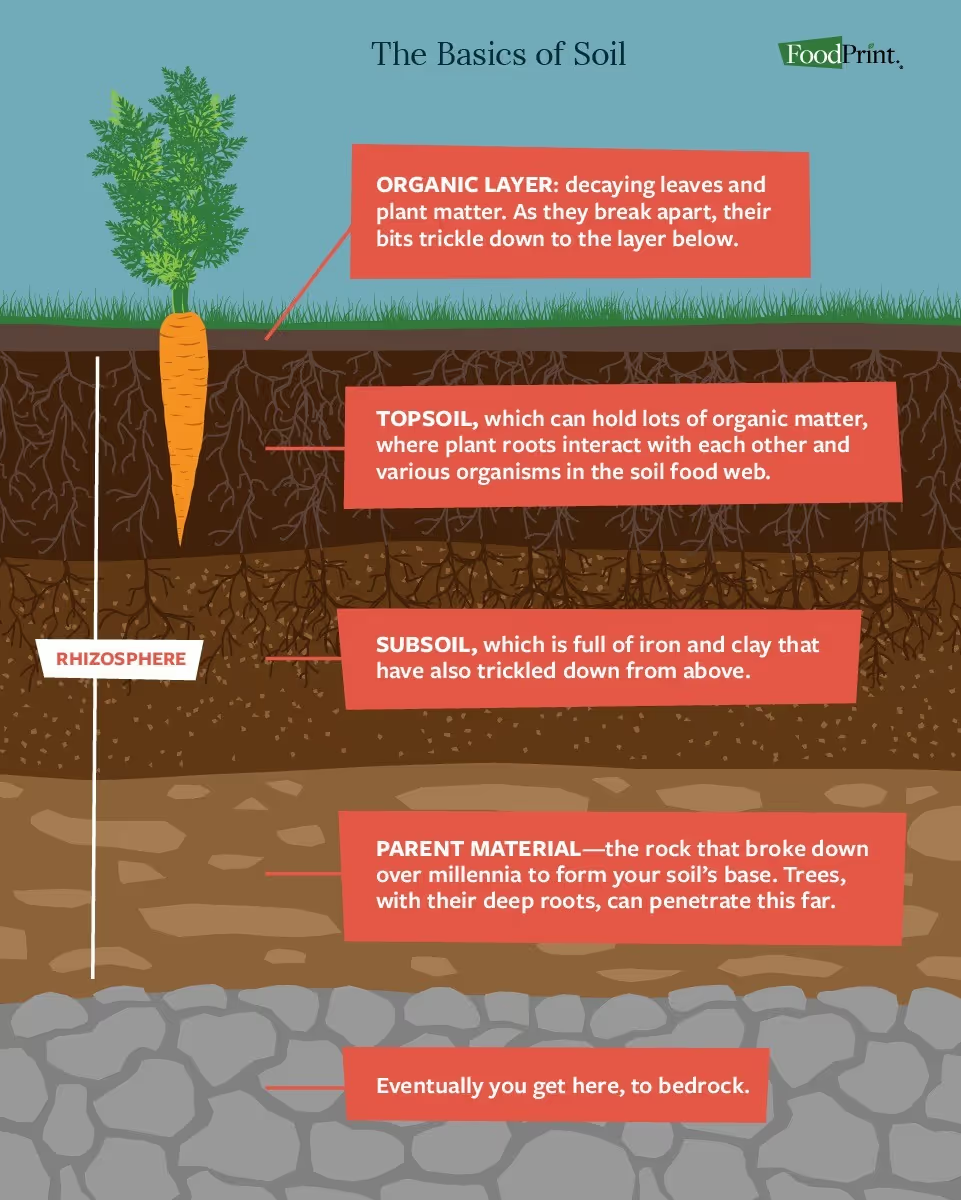
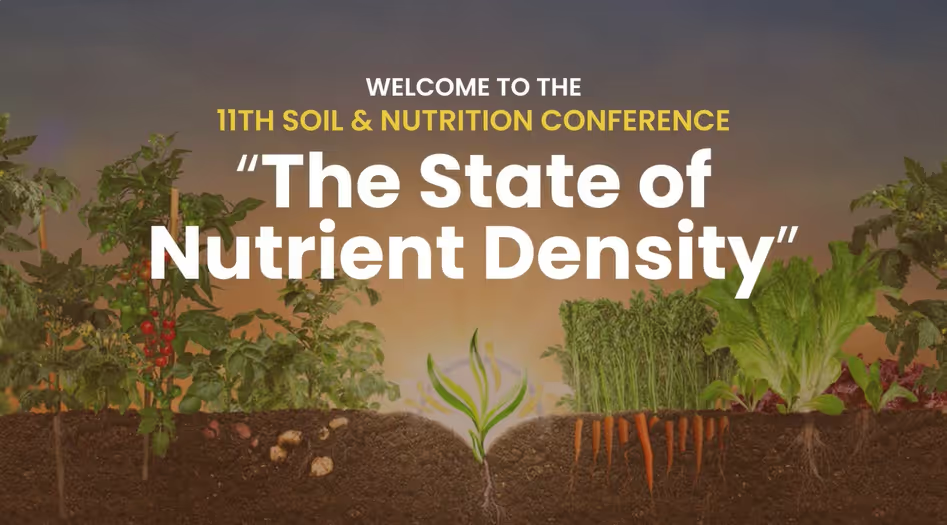
Our modern world faces two interconnected environmental emergencies: a waste crisis driven by dwindling landfill space and a soil crisis where industrial agriculture has stripped our land of essential nutrients. Food and other organic materials make up a huge portion of what we throw away, yet they are the very ingredients needed to heal our depleted earth.



A Powerful Solution: Compost Implementation
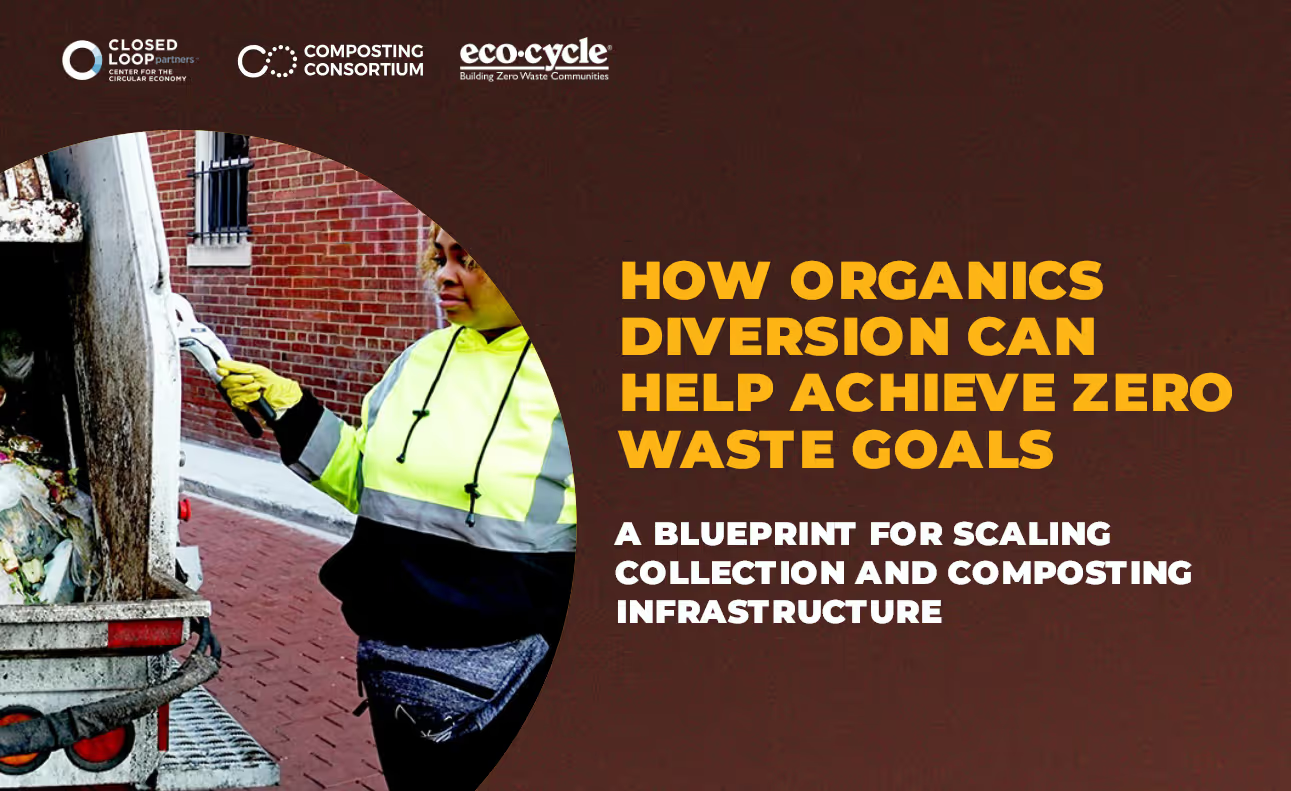
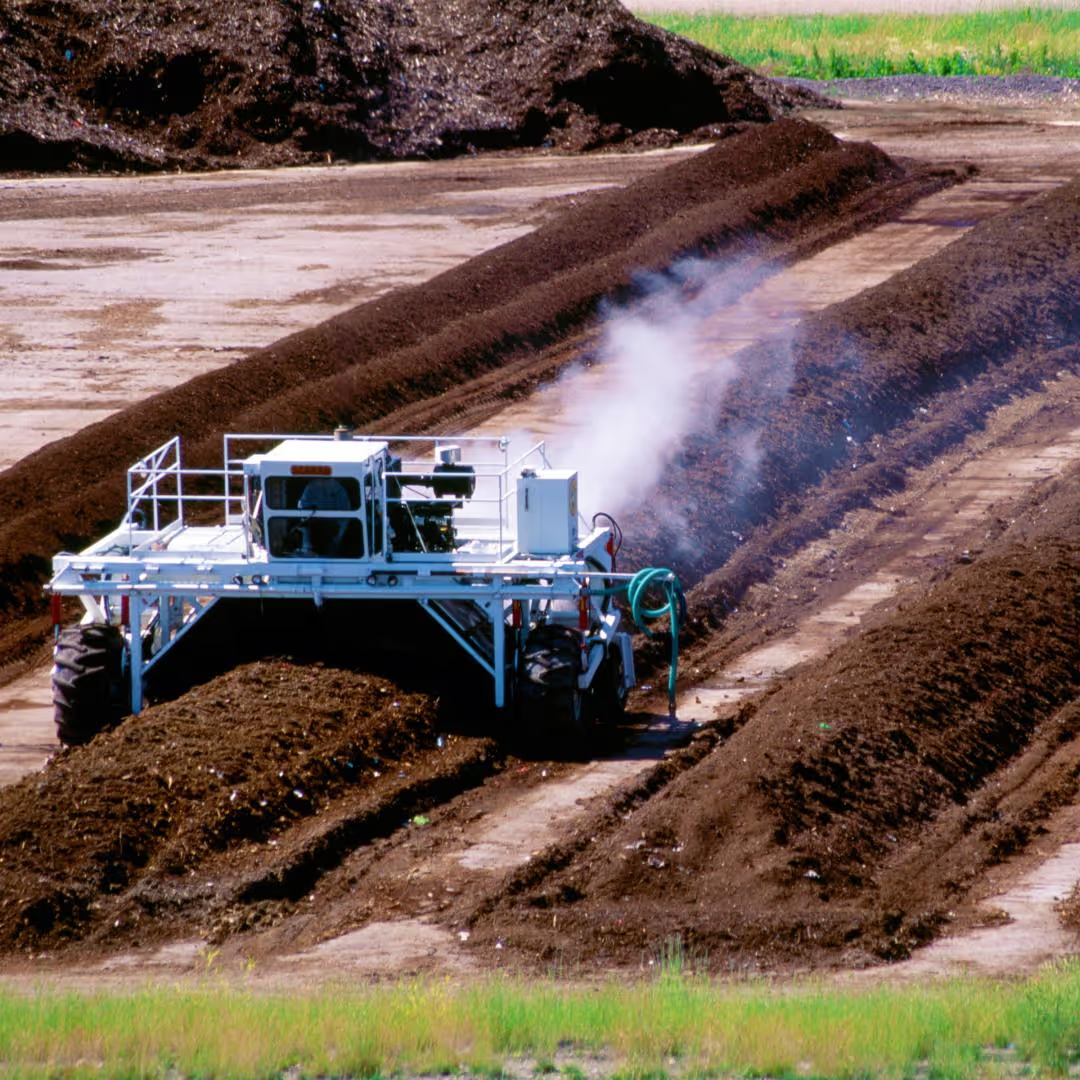
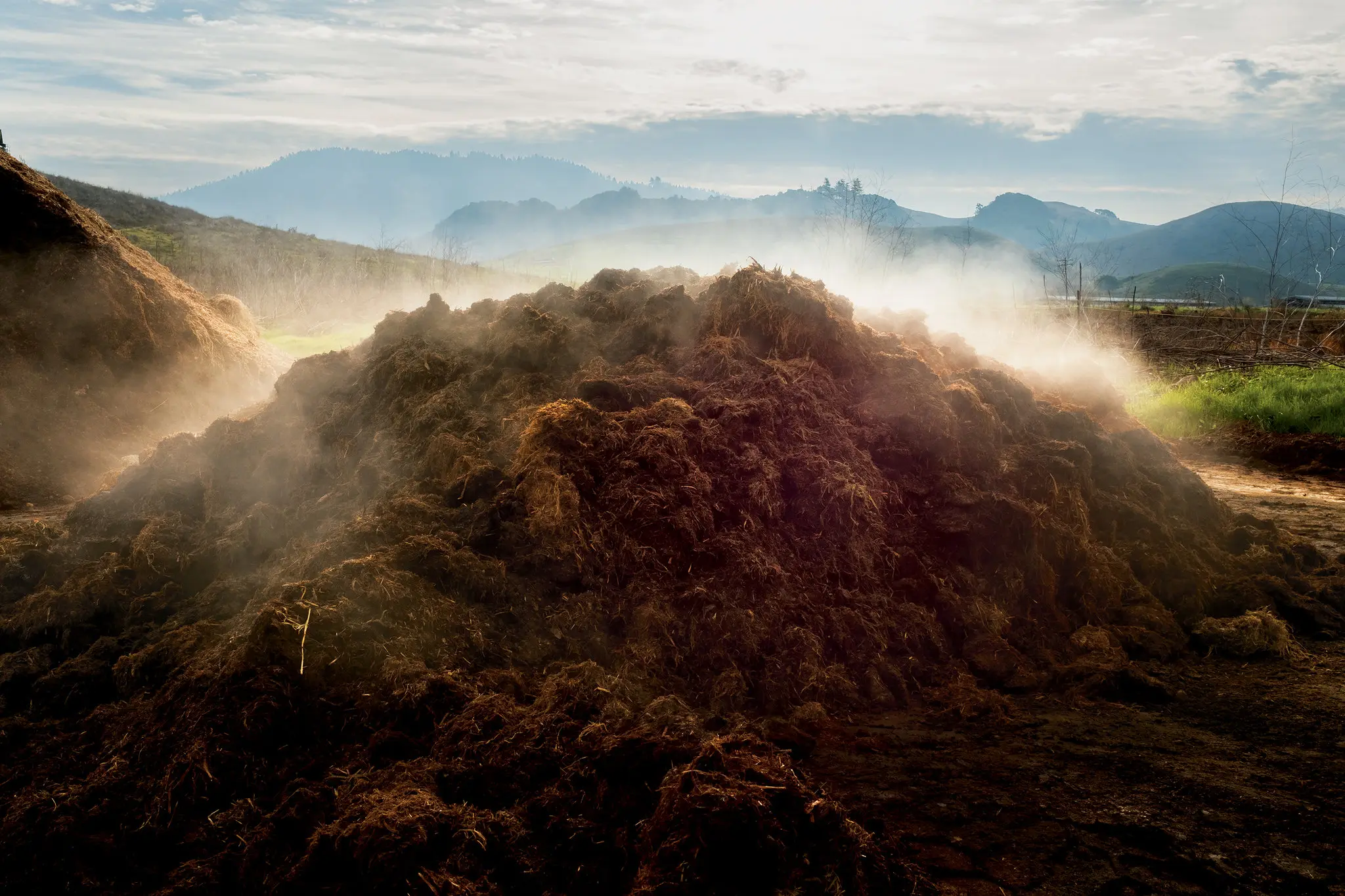
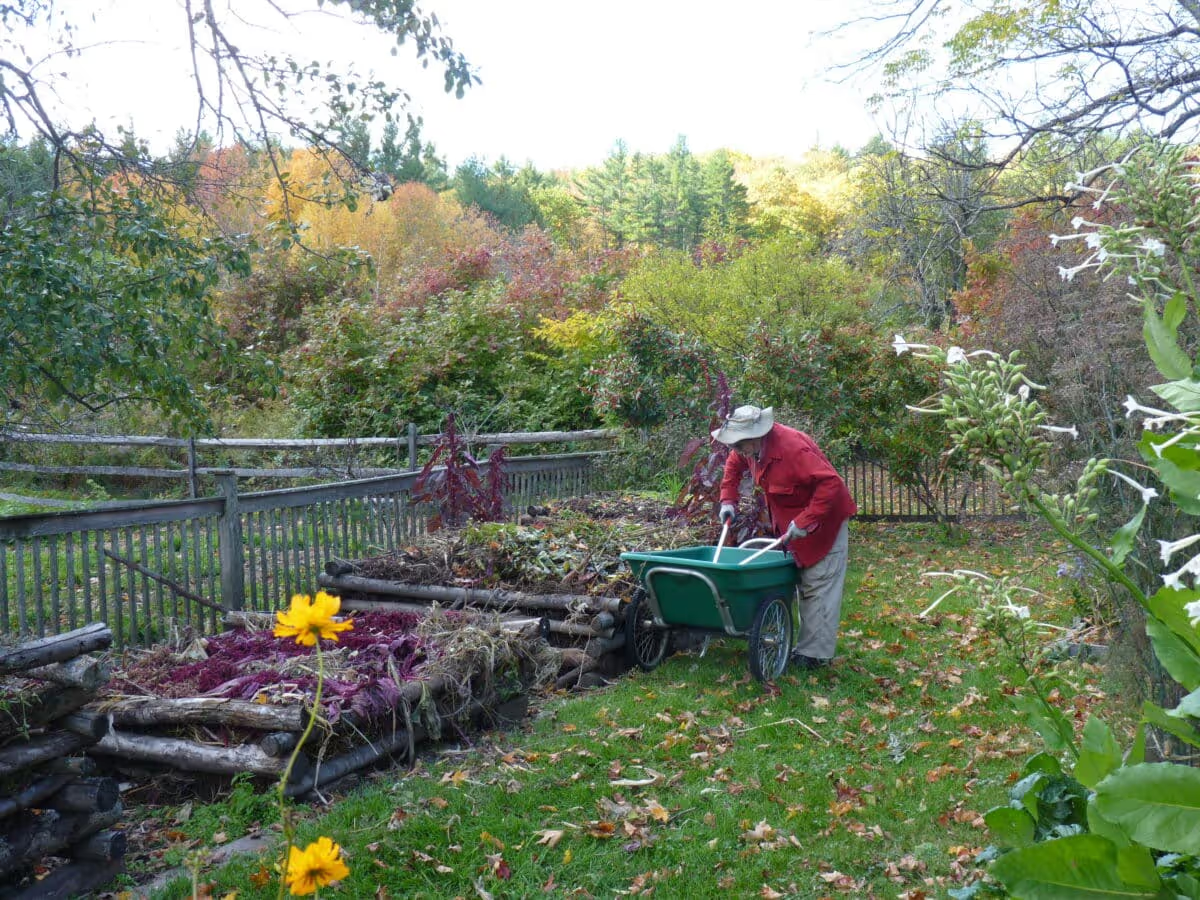
By diverting organic materials like food scraps from landfills, we can transform "waste" into a valuable resource. Curbside composting programs create a closed-loop system that reduces landfill pressure, cuts greenhouse gas emissions, and produces nutrient-rich compost to revitalize our soils. This section explores the blueprints and strategies for successfully implementing these solutions.

Success Stories
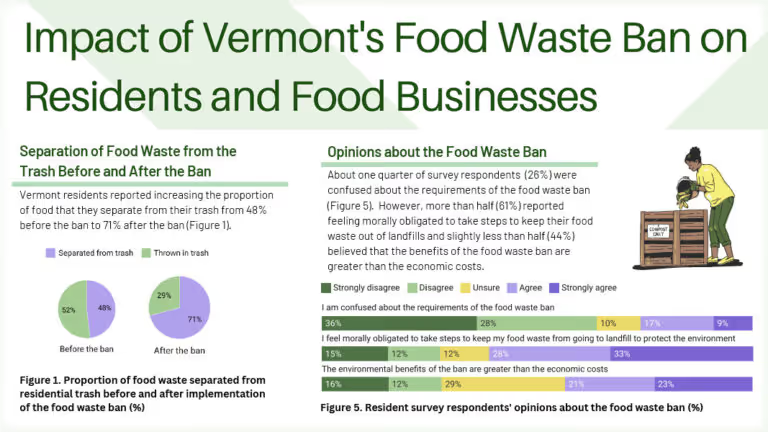
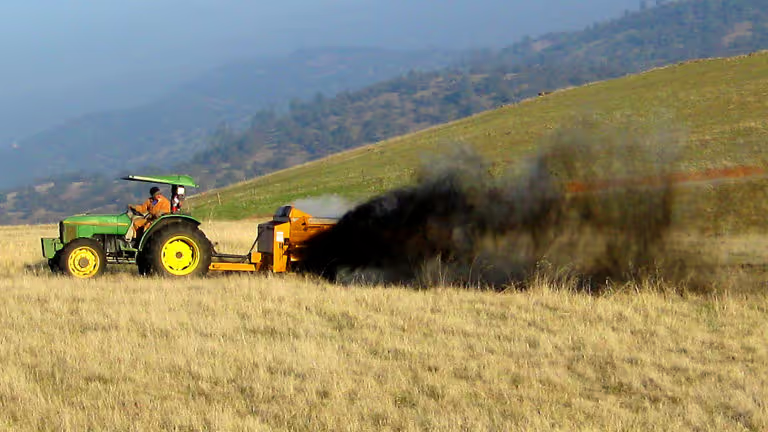
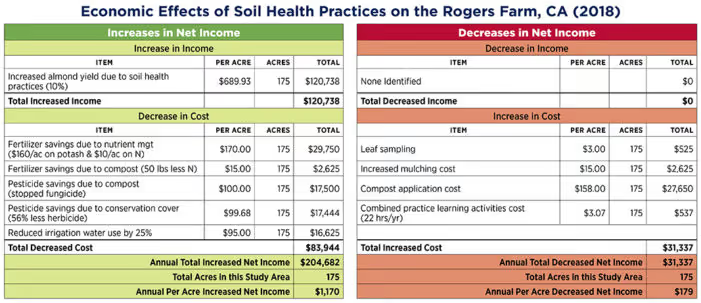
From city-to-farm partnerships to innovative uses on almond farms, the positive momentum for composting is growing. These articles highlight real-world examples of how composting is successfully replenishing soil, supporting agriculture, and gaining popularity in communities. A standout model is Austria, where a decentralized system empowers towns and local farmers to work together, turning the nation's food waste into fertilizer.


The Carbon Connection: Composting and Climate Change
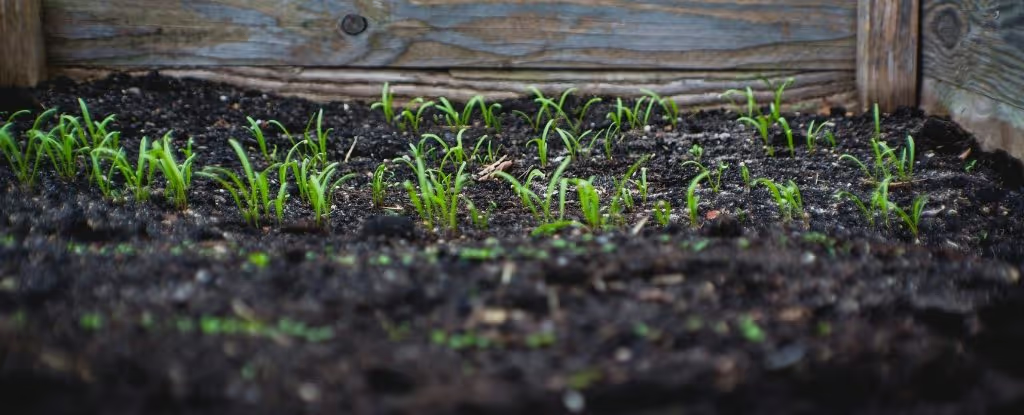
Healthy soil is one of our greatest allies in the fight against climate change. Compost plays a key role by enabling soil to act as a carbon sink, pulling vast amounts of carbon dioxide out of the atmosphere and storing it securely underground. This process, known as carbon sequestration, is a vital tool for a more stable climate.



Navigating the Challenges & False Solutions
As we scale up composting, it's crucial to navigate potential pitfalls and distinguish true solutions from problematic alternatives. This section addresses key challenges, including PFAS contamination, the debate around anaerobic digestion, the role of compostable packaging, and the confusion over kitchen dehydrators.
I. Anerobic Digestion: A Flawed Alternative?
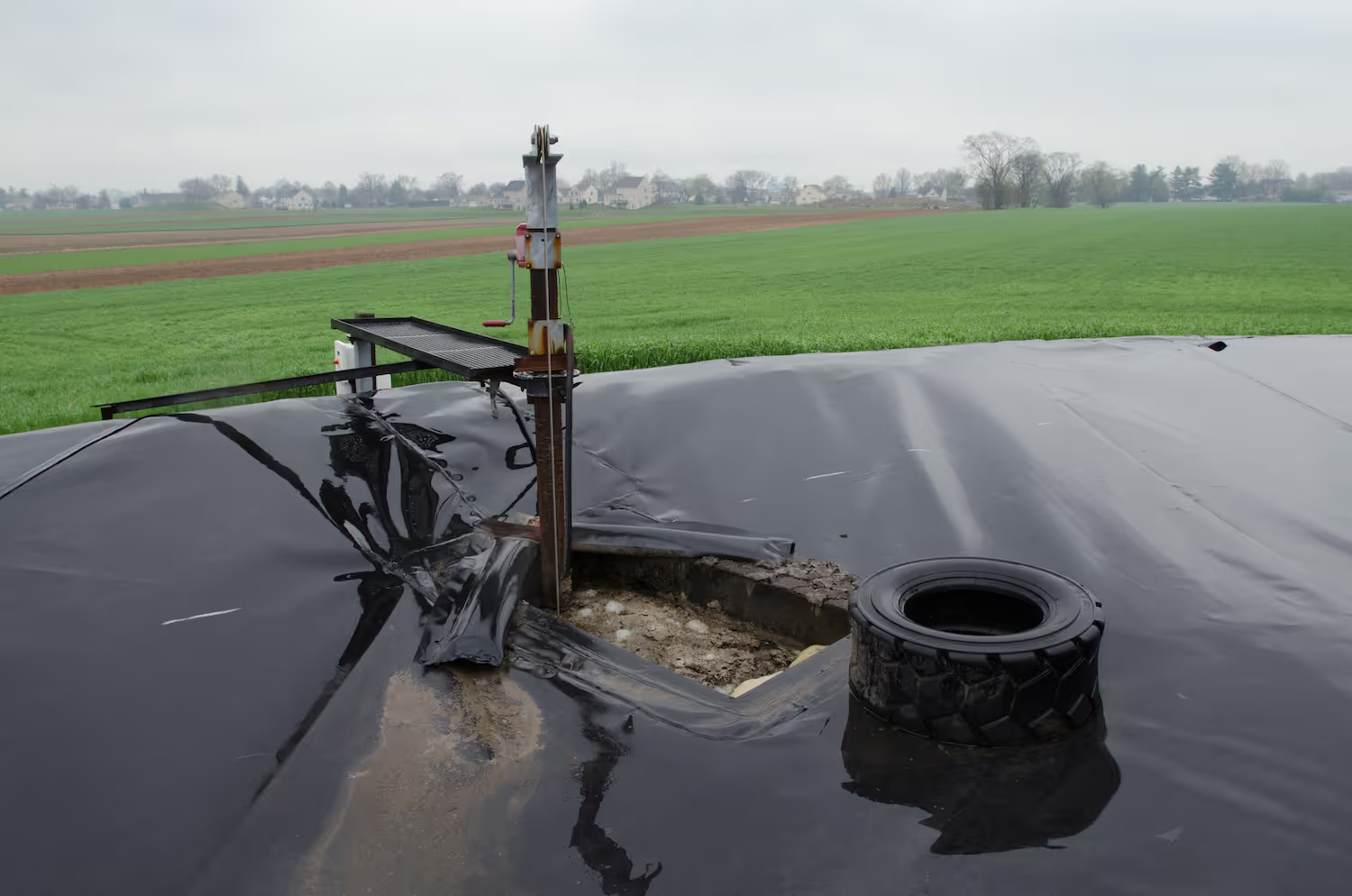
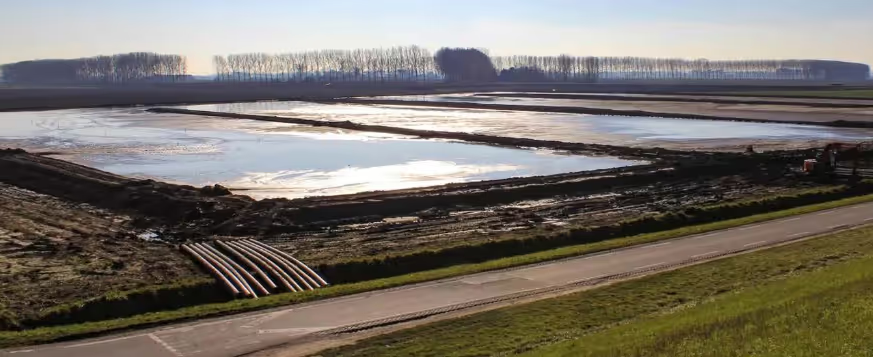
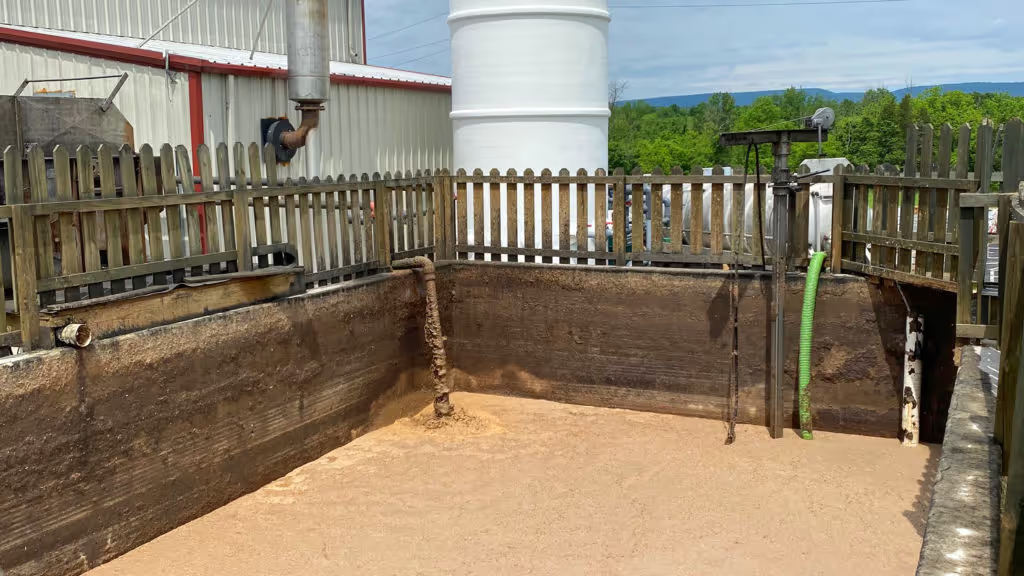
While sometimes promoted as a green solution, anaerobic digesters can present their own environmental problems, from microplastic contamination to associations with sewage sludge and corporate greenwashing.
II. The PFAS "Forever Chemical" Problem
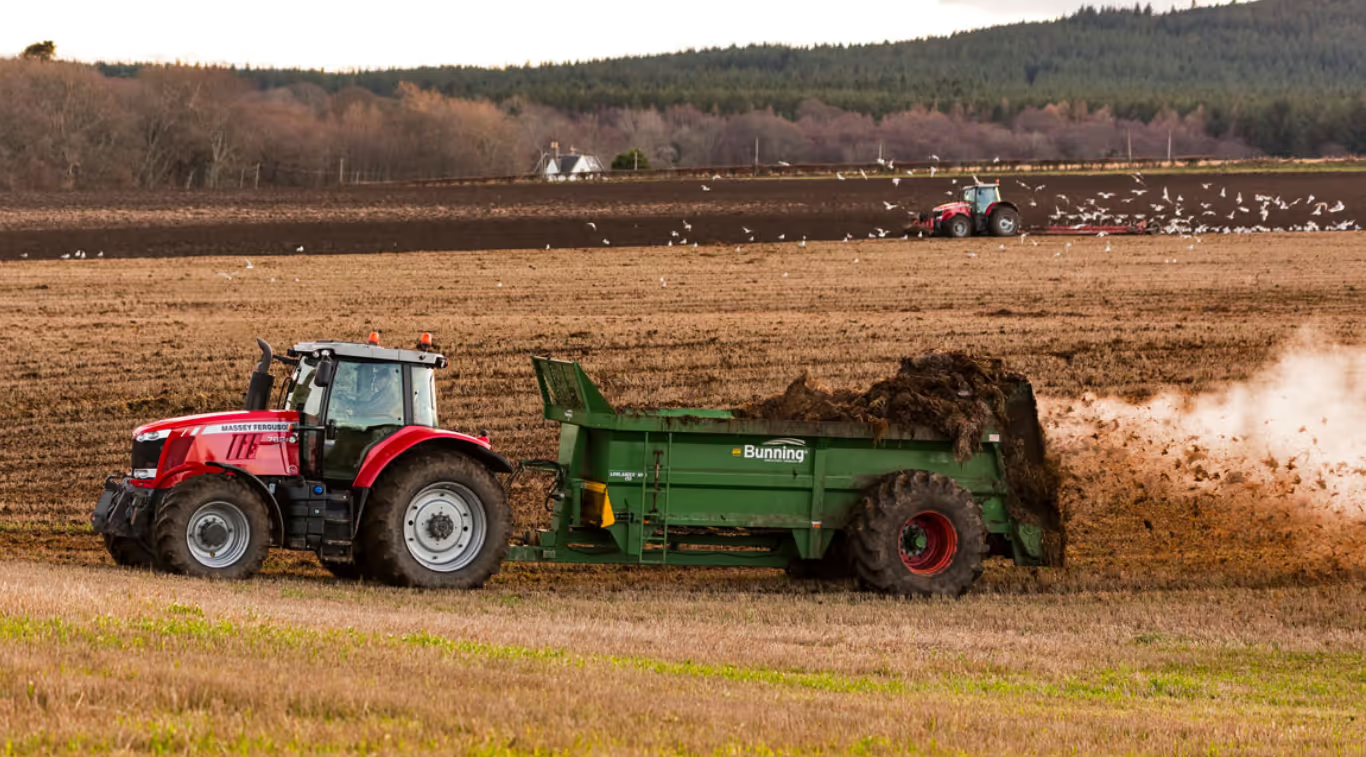
PFAS contamination, particularly from sewage sludge (biosolids), poses a severe threat to farmland and human health. This has led states like Maine to take drastic measures, highlighting the importance of clean, source-separated compost. We test our compost for PFAS contamination and are well below state thresholds. View the results here.



III. Compostable Packaging: Promise & Pitfalls
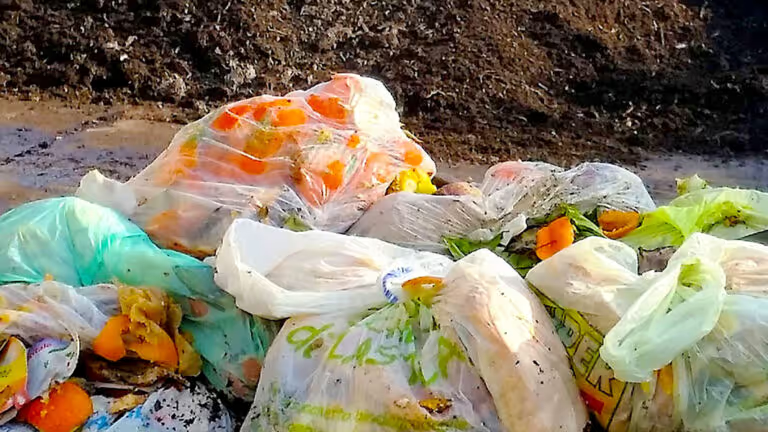
"Compostable" plastics and packaging could help divert waste, but their success depends on clear labeling, proper processing infrastructure, and avoiding contamination. Innovators are exploring materials like seaweed as alternatives to conventional, environmentally catastrophic plastics.


IV. Composting "Devices": A Word of Caution
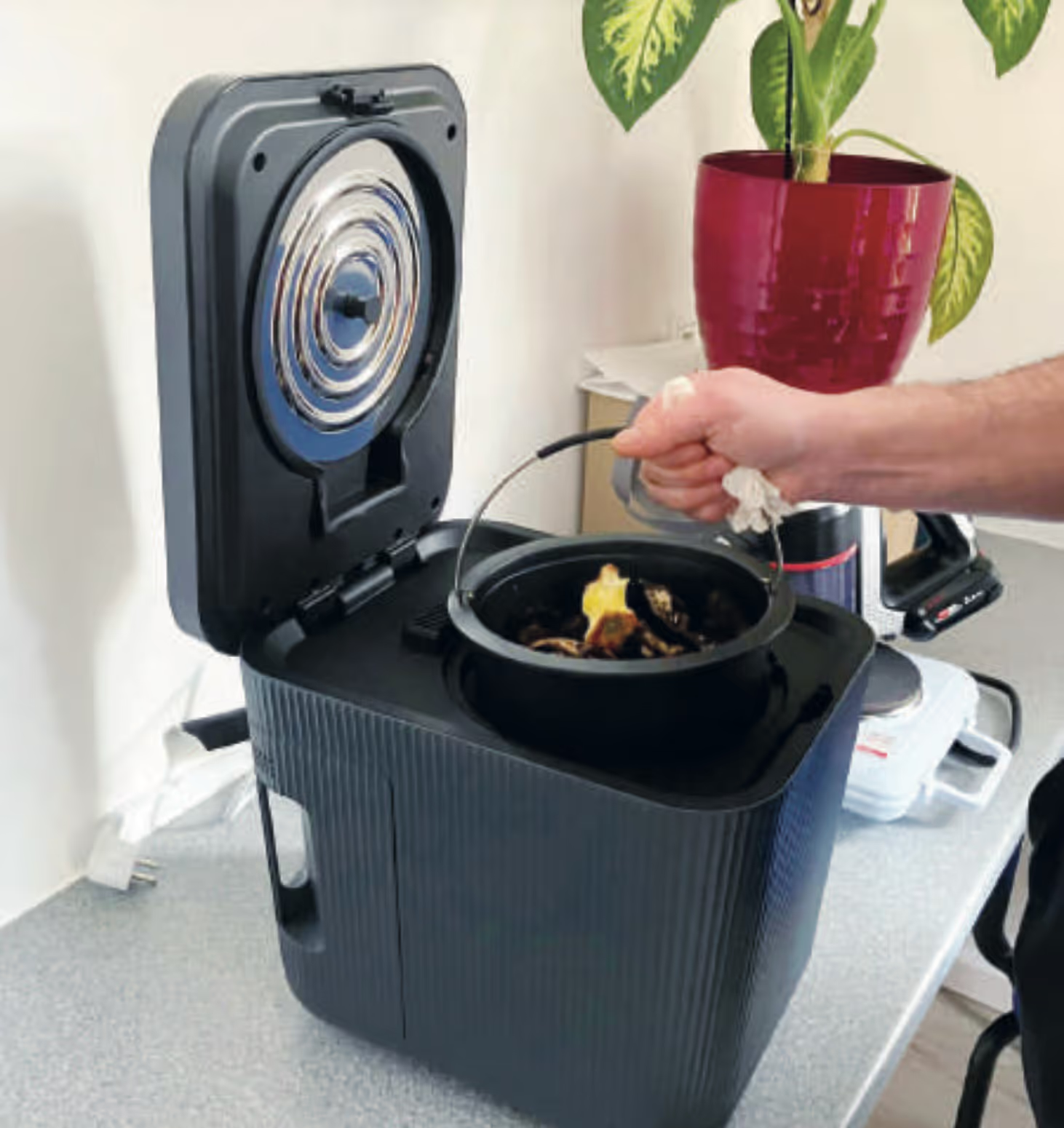
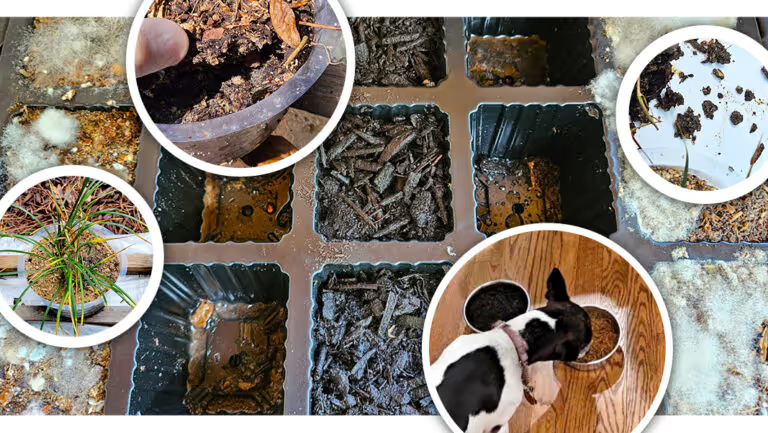
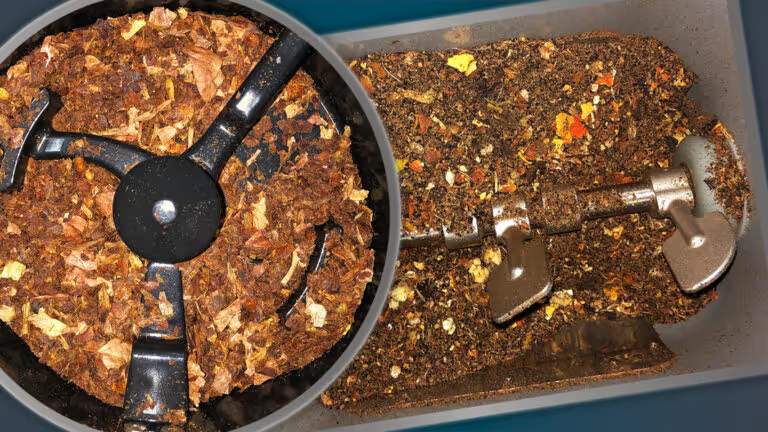
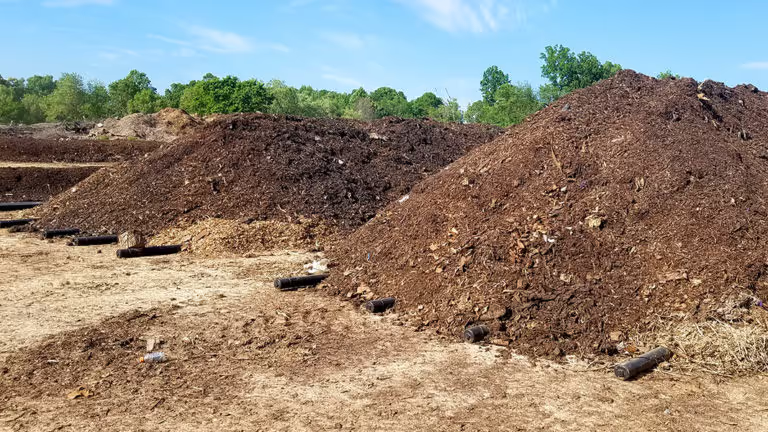
Many electric kitchen devices marketed as "composters" are actually just dehydrators. They shred and dry food scraps but do not create true, microbially-rich compost. As the saying goes, "a raw potato ain't no french fry."