Where The Magic Happens
Explore our innovative composting facilities dedicated to creating sustainable soil solutions for a healthier planet.
Our Decentralized
Composting Network
We operate multiple strategically located composting sites to maximize waste diversion and soil restoration. Our facilities are designed for regional efficiency and environmental sustainability. We believe using food to grow more food is the highest end use of organic waste.
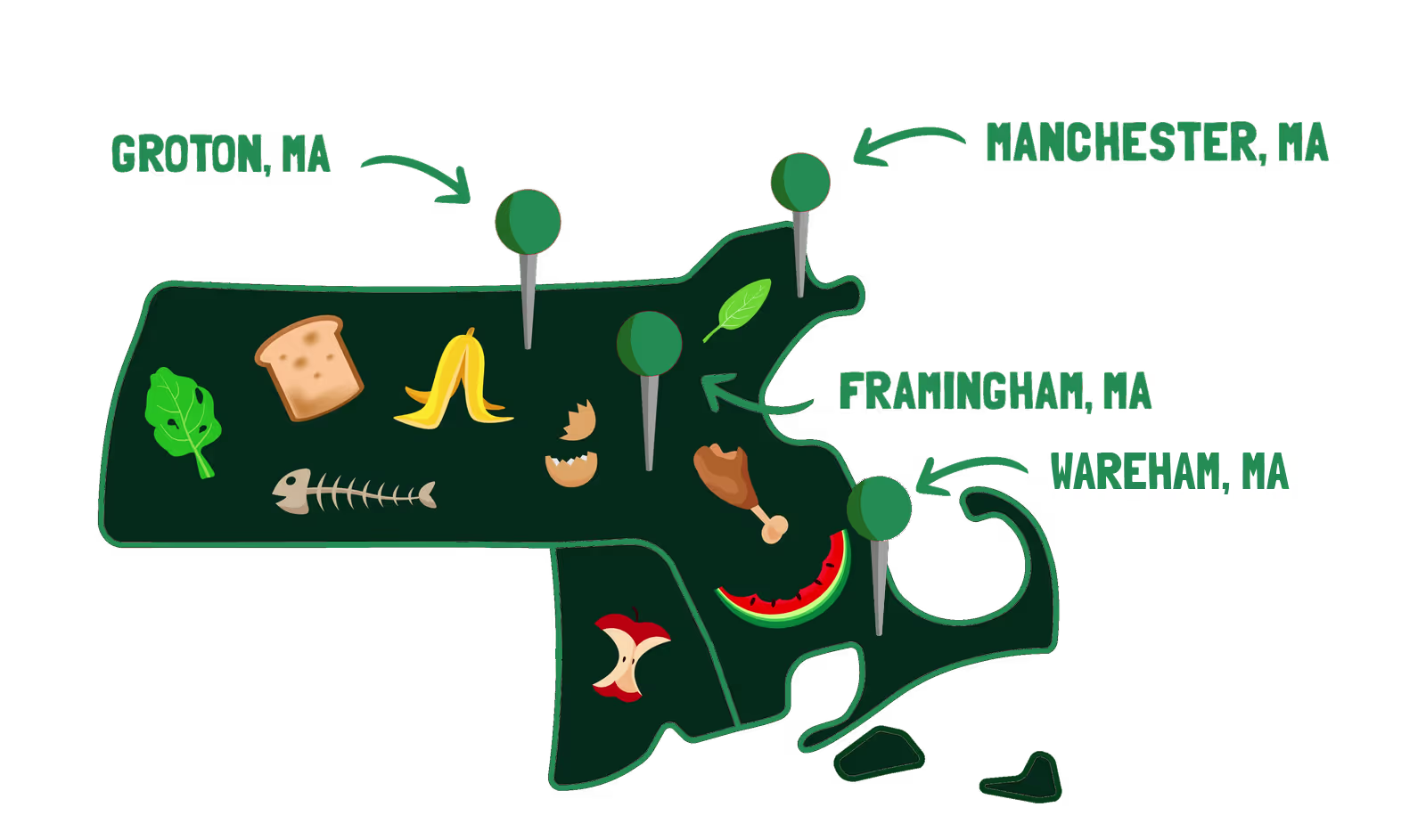
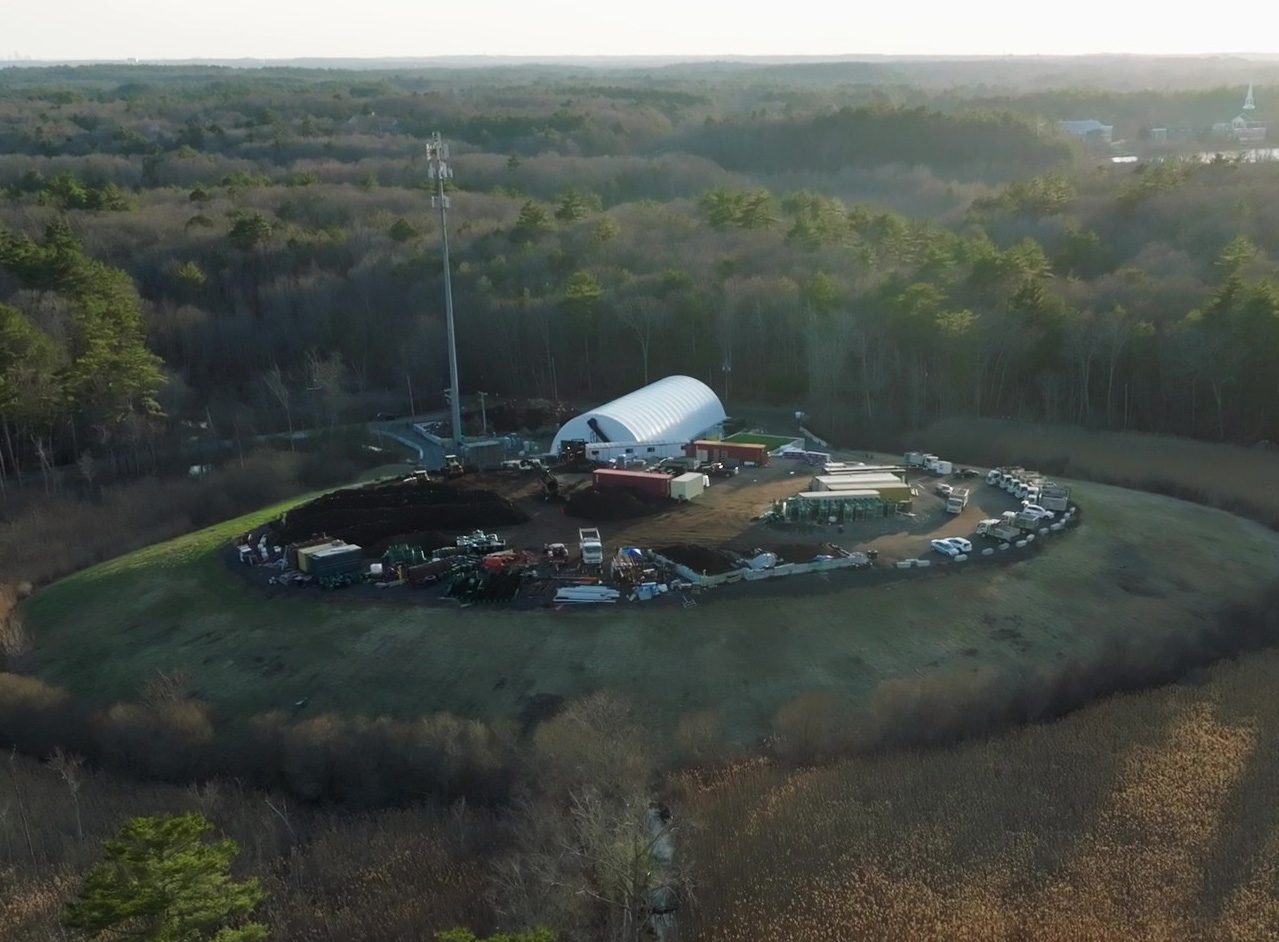
A Regional Model in Sustainability
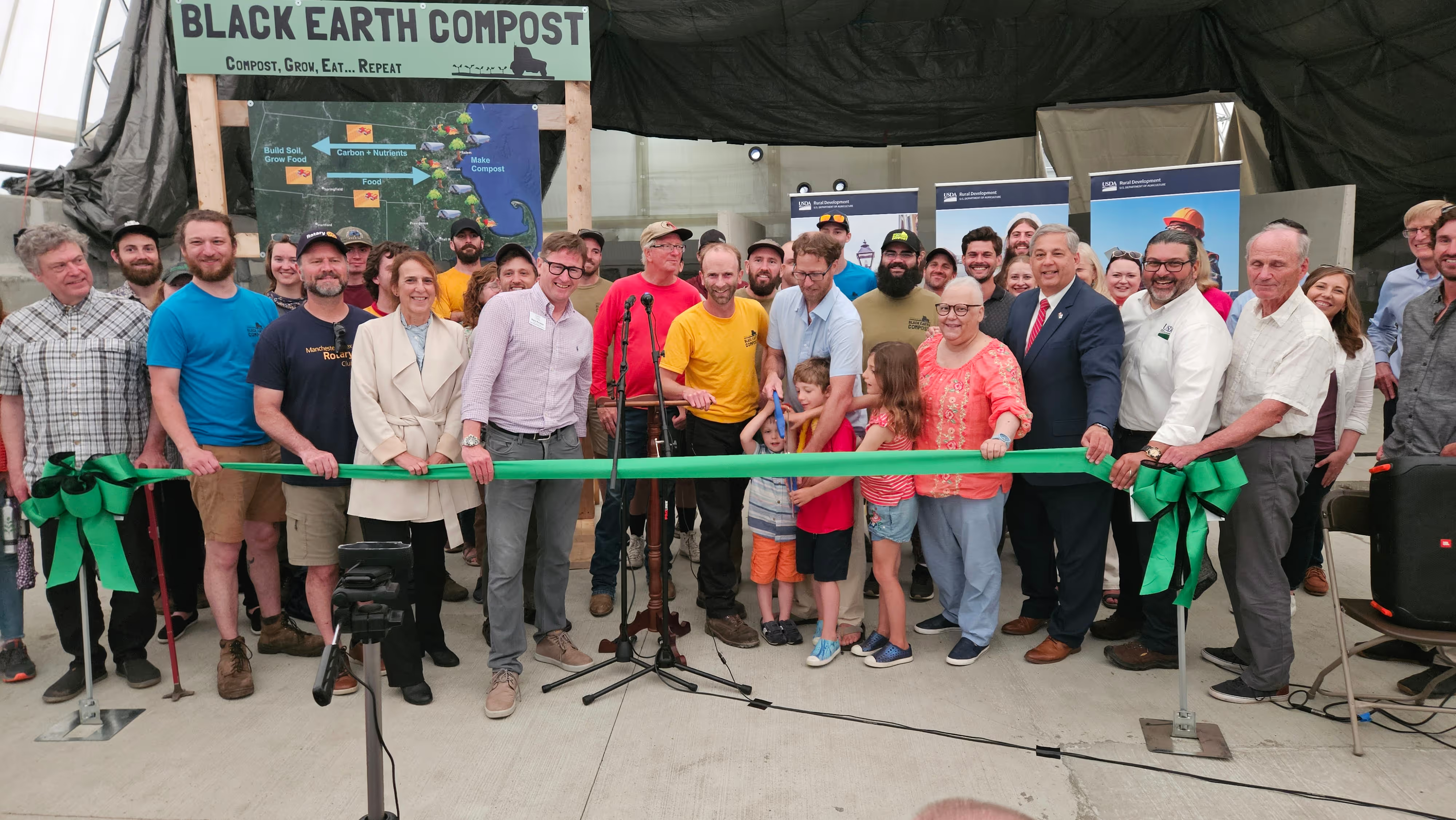
Our newest and largest facility, built in partnership with the Town of Manchester-by-the-sea, MA. This building manages the primary, and smelliest, stages of composting in an enclosed space. The building controls moisture, air flow, leachate, vectors and odors.
In 2024 this facility replaced our site on School Street in Manchester, where we operated since 2017.
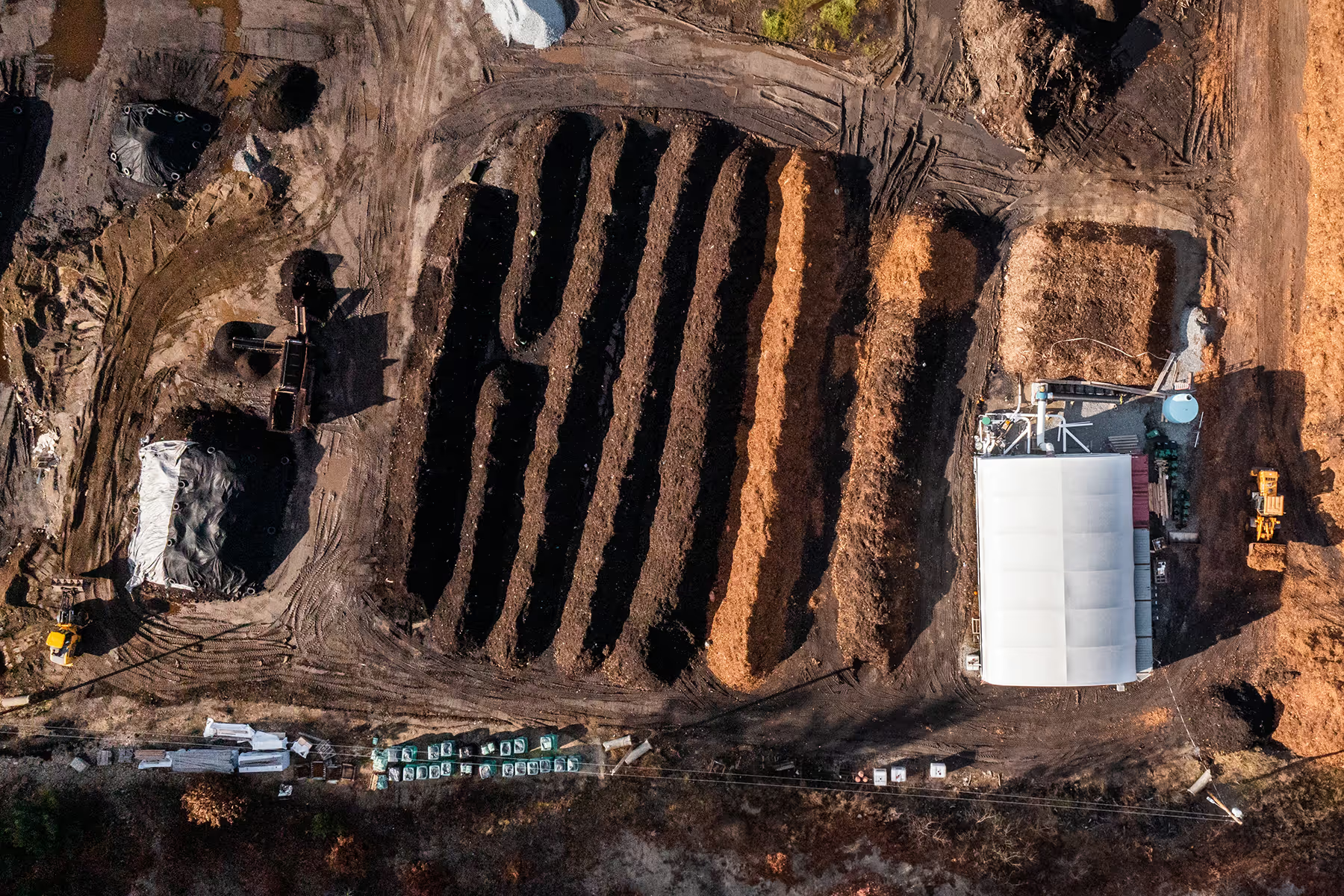
Efficient Decompostion
Our recipe of food scraps (the nitrogen source) and leaves (the carbon source) is designed to foster an environment ideal for decomposition, and a rich, nutrient balanced finished compost.
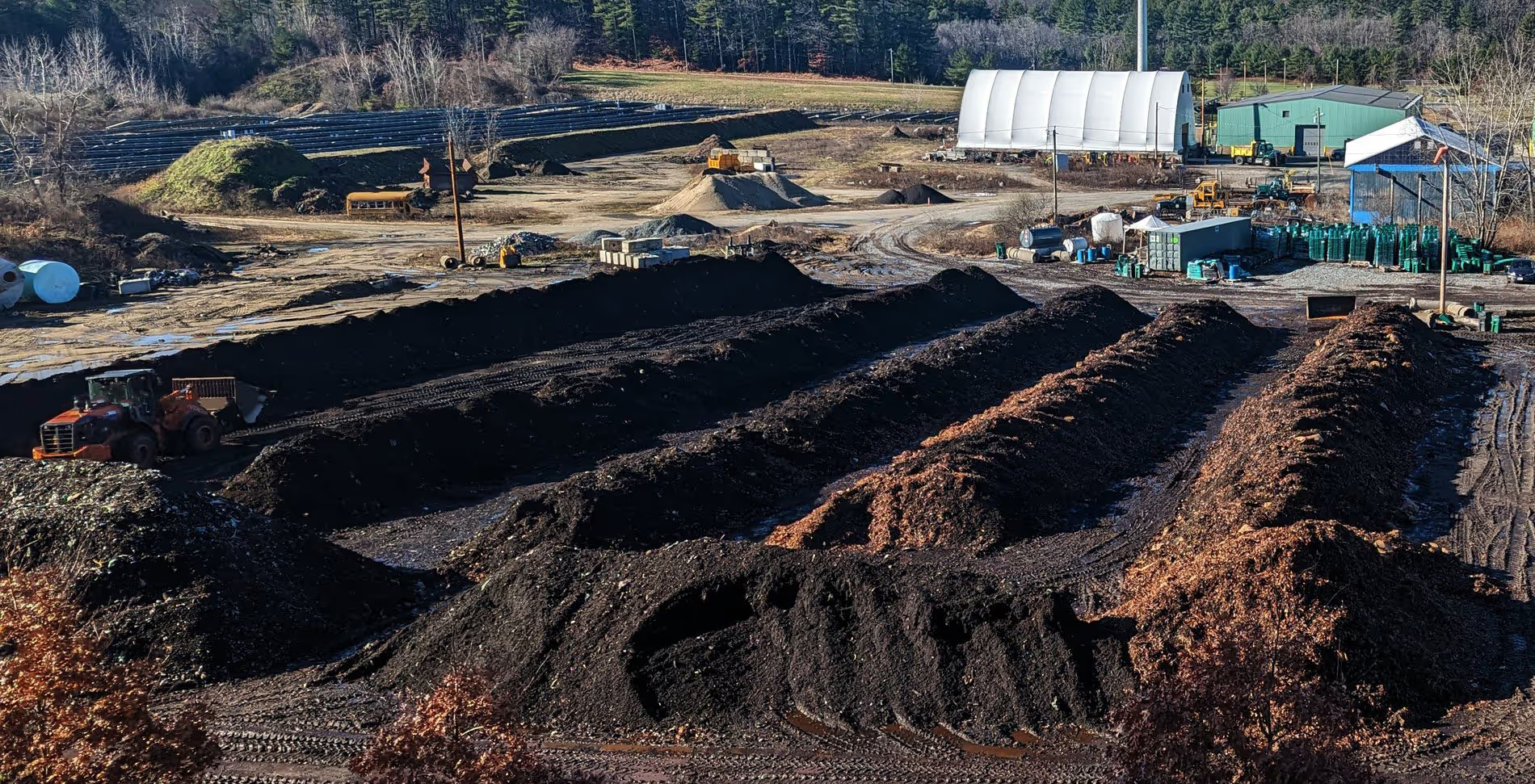
Each of the windrows in the aerial image is the compost at a different stage of finishing. It takes approximately six months for the food scraps to move through this system and turn into finished compost.
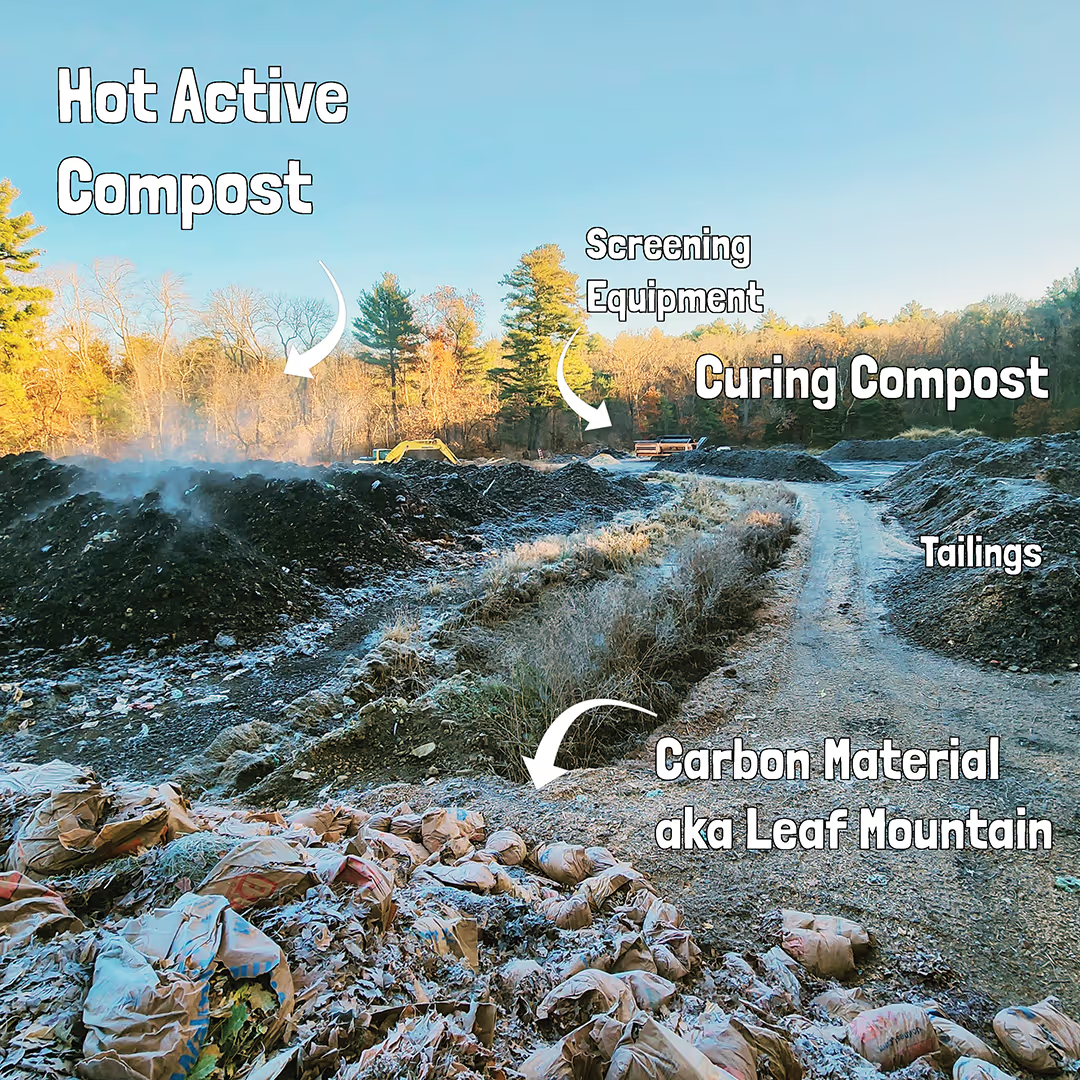
Sustainable Waste Management Facility
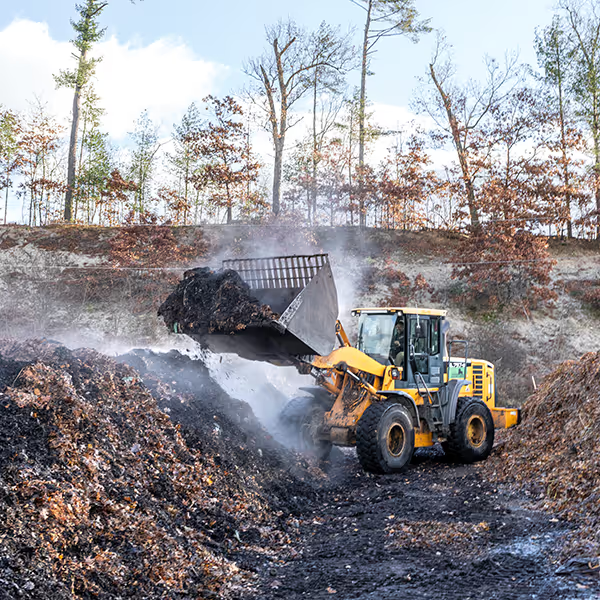
This front runner site operates with minimal utilities. It utilizes an excavator to turn windrows.

Sustainable Waste Management Facility
Our southern site specializes in innovative composting techniques and research. It develops new methods for organic waste transformation.
How We Transform Waste into Compost
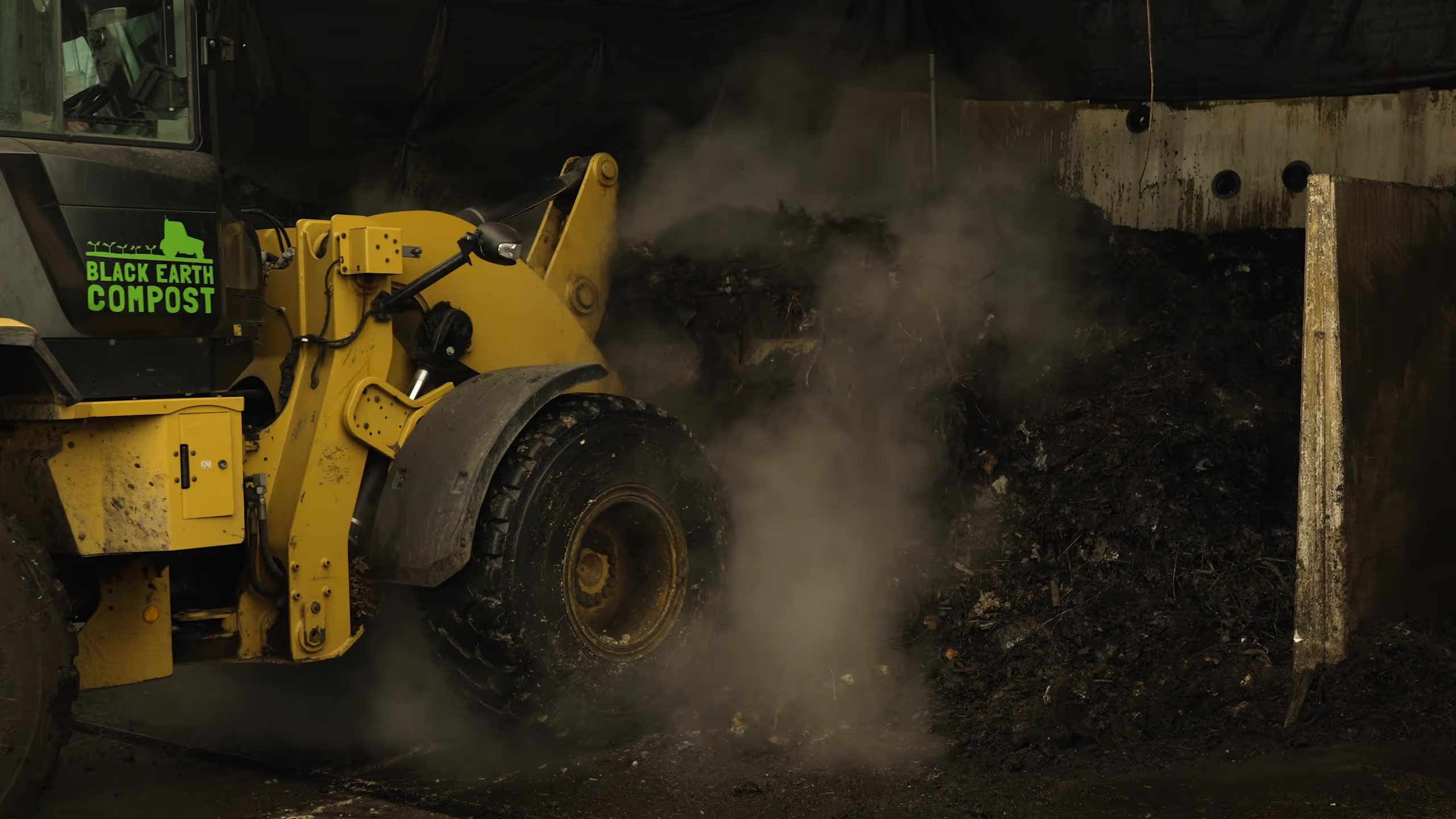
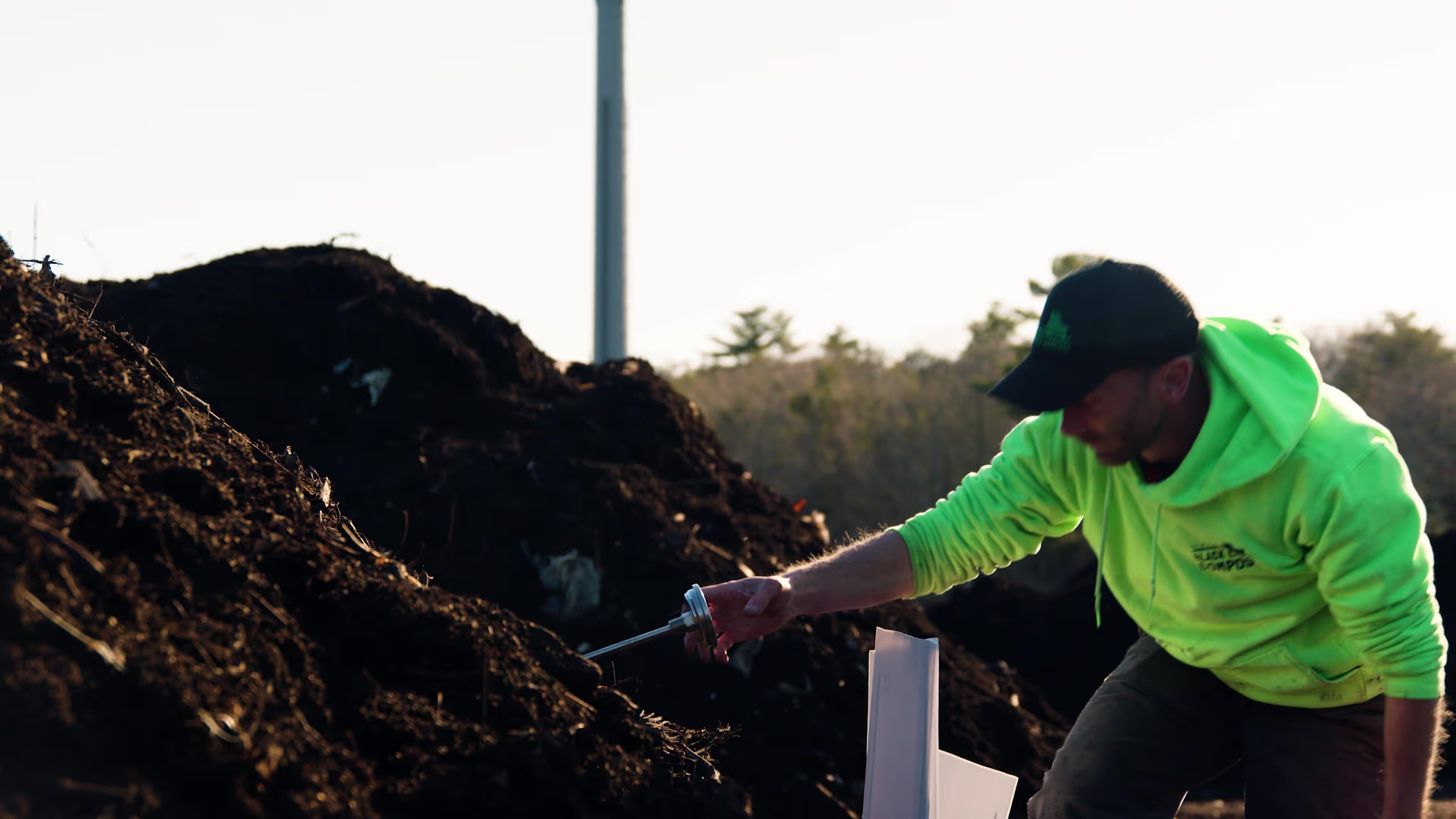
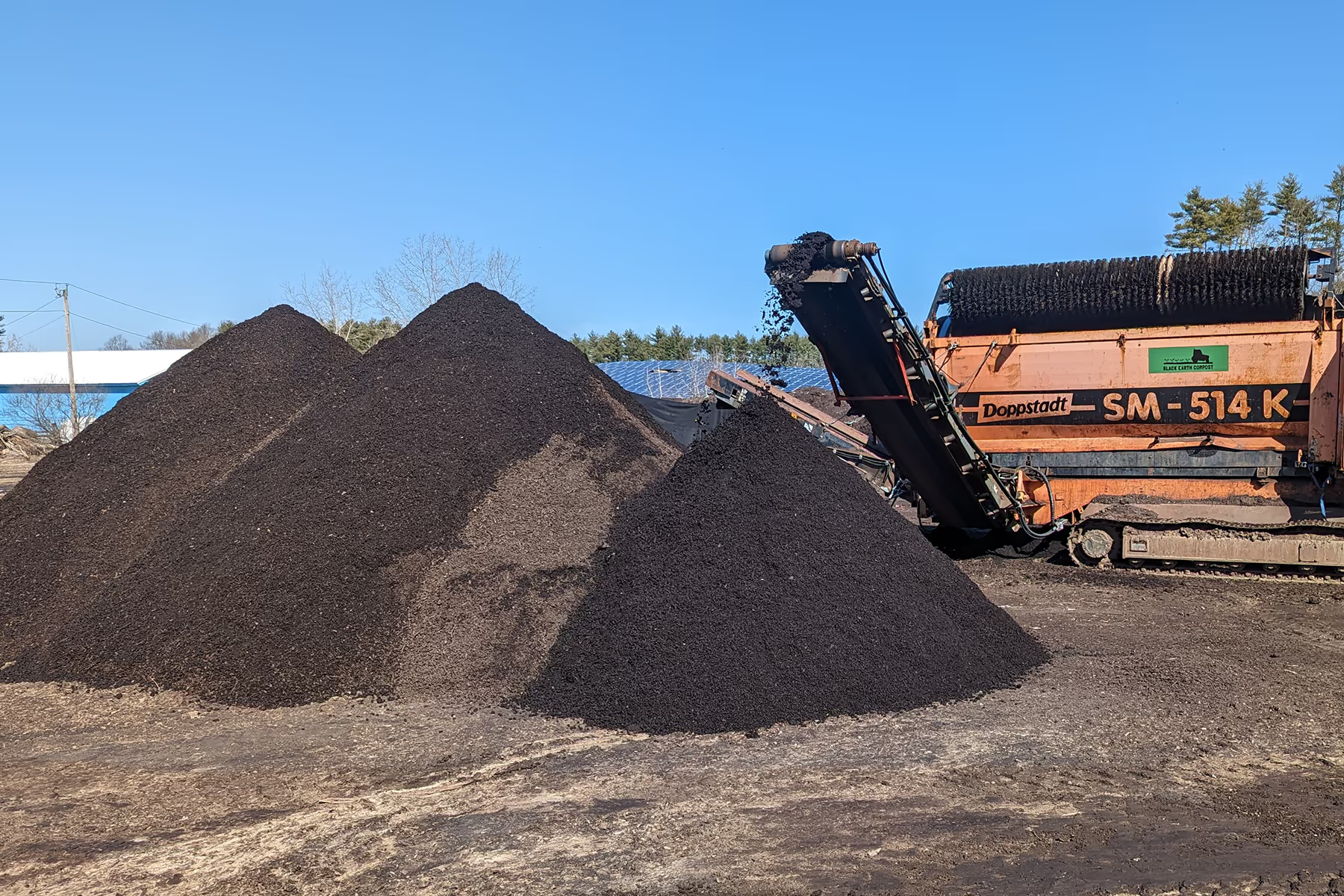
Our composting process involves carefully managed decomposition stages that convert food scraps into high-quality organic soil amendments. The compost is mixed, turned, monitored for the correct internal temperature, screened, and tested. We use scientific methods to ensure maximum nutrient retention.
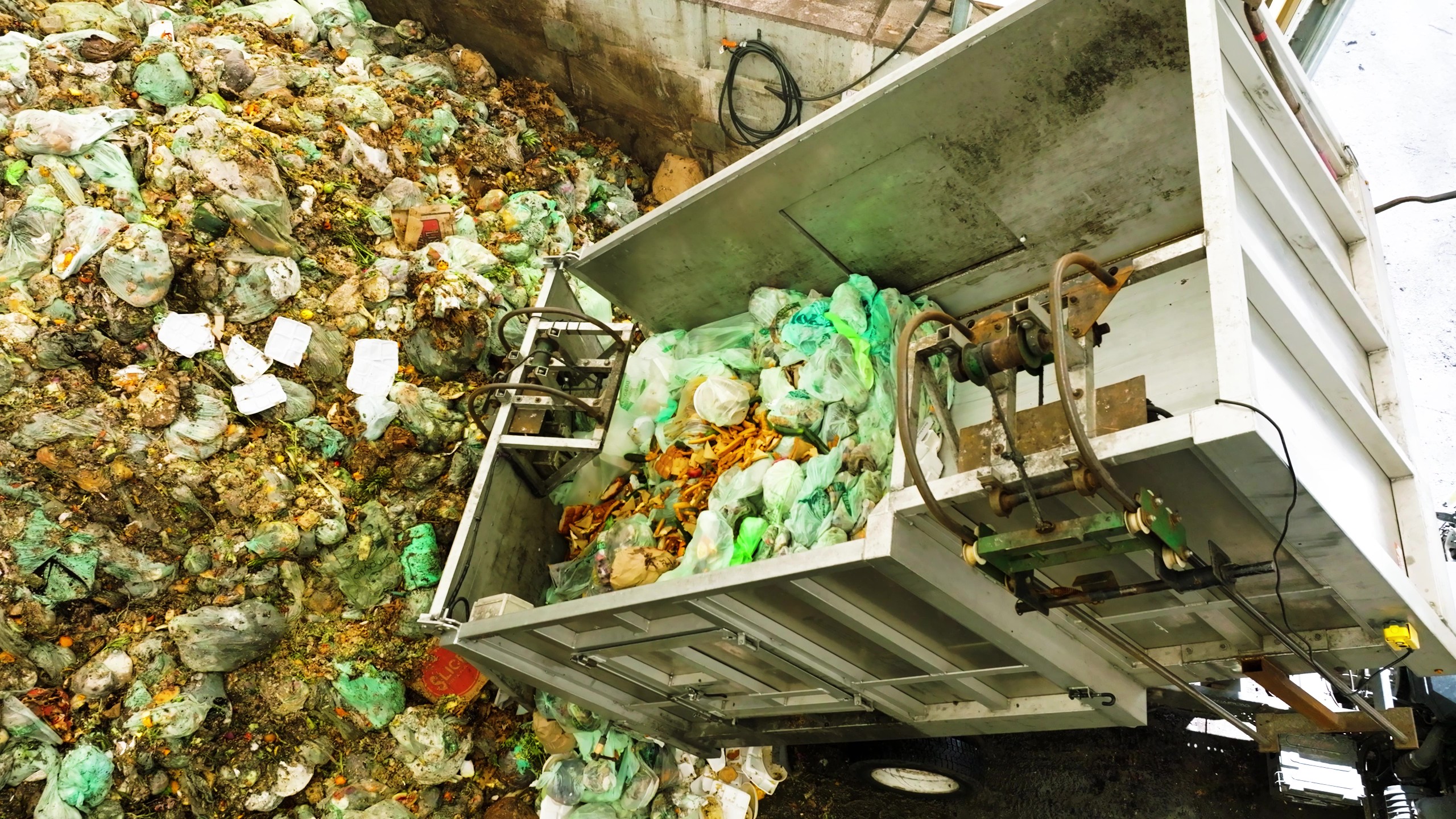
Measuring Our Positive Environmental Contribution
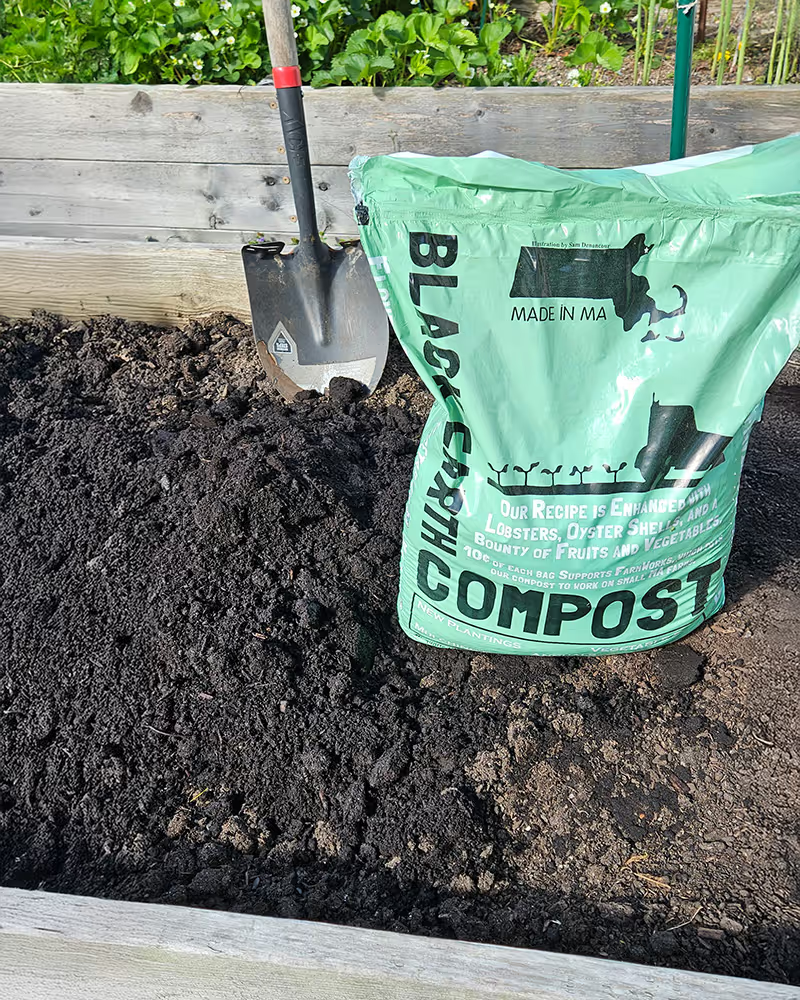
Each ton of diverted organic waste prevents greenhouse gas emissions and creates valuable soil resources. Our facilities play a crucial role in local ecosystem restoration.
Food Scraps Diverted in 2024
Compost Returned to the Soil in 2024
Schedule a Facility Tour and Learn More
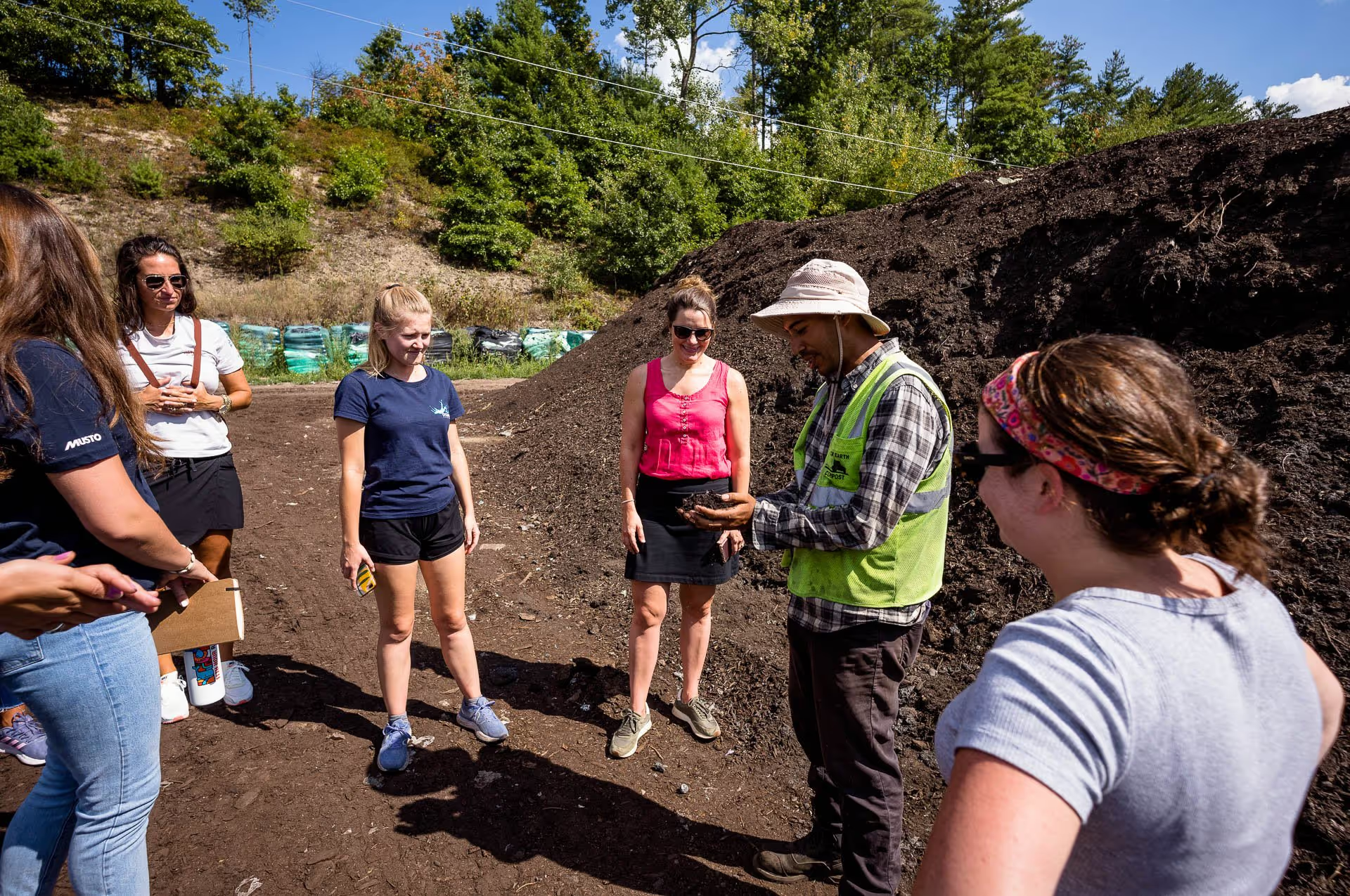
We offer educational tours that provide insights into our composting processes and environmental mission. Groups and individuals alike are welcome to visit our facilities.
Partnership Opportunities for Businesses and Municipalities
We work with local businesses, municipalities, and organizations to develop customized composting and waste reduction strategies.