Connecticut Municipal Composting Programs: How Black Earth Compost Helps Towns Reduce Waste & Landfill Costs
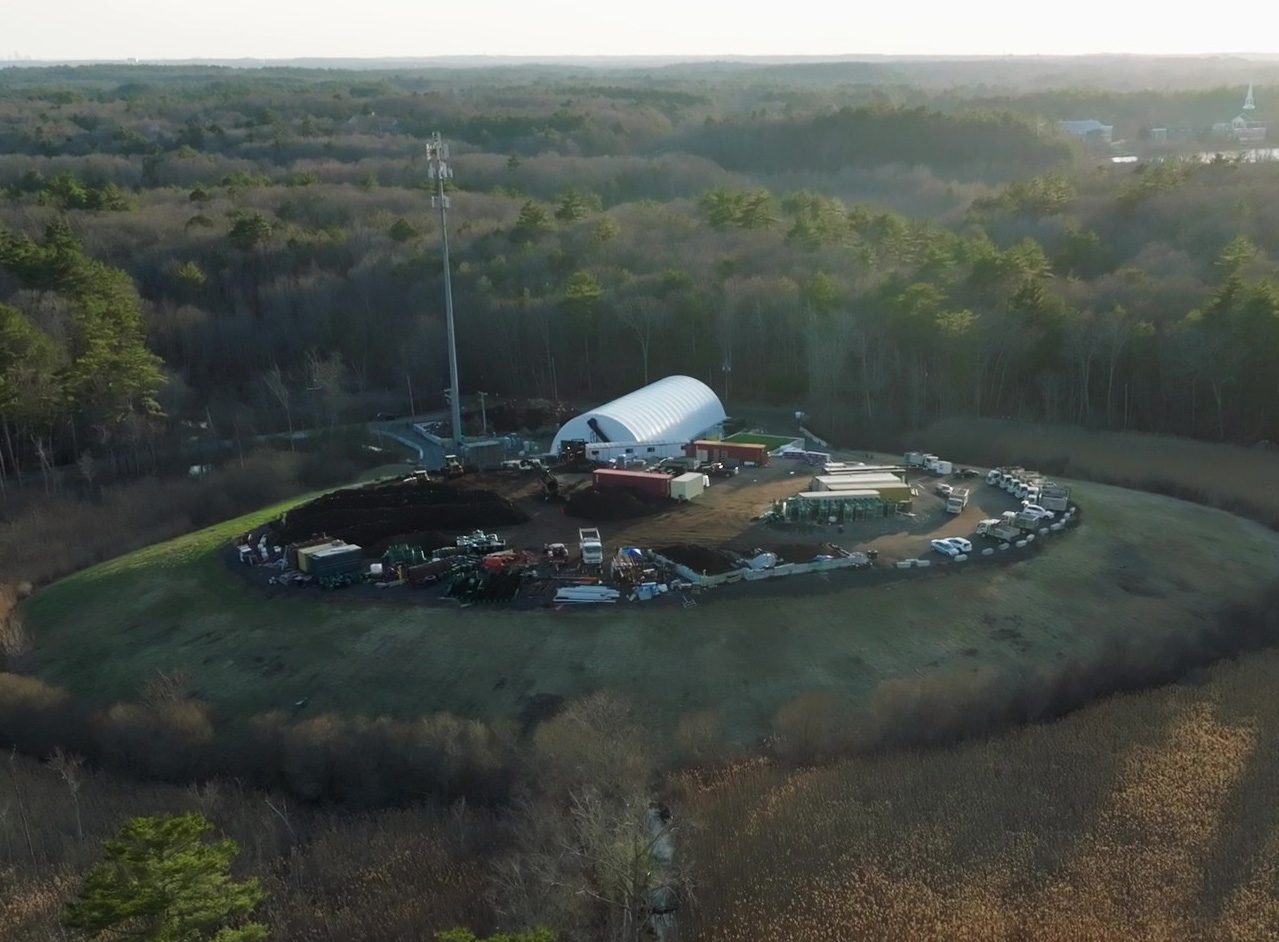
At Black Earth Compost, we've spent years building New England's most comprehensive organics recycling infrastructure, and now we're bringing that expertise to Connecticut in a major way. In partnership with the Southeastern Connecticut Regional Resources Recovery Authority (SCRRRA), we're managing and operating a brand-new regional composting facility at 1 Brewster Rd in Preston, CT. This is the first large-scale, publicly owned food waste composting infrastructure in southeastern Connecticut, and it's just the beginning.
Food waste makes up roughly 30% to 40% of what your town sends to the landfill every week. That's the heaviest, most expensive part of your trash stream, and it's generating methane as it sits. Connecticut towns deserve a better option, and we're here to provide it.
Our Vision for Connecticut
The Preston facility is custom-built around an innovative aerated static pile (ASP) processing system on a multi-acre property. By processing food scraps locally, we eliminate the financial and environmental costs of trucking heavy organic waste to distant landfills. Instead, that material becomes nutrient-rich soil for local Connecticut farms and community gardens.
At launch, the facility is designed to process roughly 50 tons of waste per week, with regional coordinators expecting that volume to grow significantly as municipal curbside programs and drop-off kiosks expand across neighboring towns. For SCRRRA's 12 member towns, that translates directly into meaningful savings on disposal fees.
Helping Schools Meet the 2026 Food Waste Mandate
We're also launching specialized compost hauling services for Connecticut schools, and the timing matters. Connecticut's expanded Commercial Organics Recycling Law (Public Act 24-45) goes into effect on July 1, 2026. Under the mandate, any public or nonpublic K-12 school building generating an average of 26 tons or more of organic waste per year, and located within 20 miles of an authorized composting facility, will be legally required to separate food scraps from other solid waste for recycling.
Our school program gives districts a turnkey path to compliance before the deadline. We collect organic waste directly from cafeterias, keeping food scraps and compostable trays out of regional incinerators. Along the way, students get a hands-on introduction to the circular economy, learning how the food their school generates can come back as healthy soil.
A Fully Integrated Solution
What sets us apart from traditional waste haulers is that we manage the entire pipeline. We collect food scraps, haul them, process them, and sell the finished agricultural product.
Our industrial composting systems also handle materials that standard backyard compost piles can't, including meats, dairy, bones, and certified compostable packaging. And because we know odor is the first concern we hear from municipal leaders, our facilities use advanced filtration systems that remove up to 95% of volatile compounds.
Proven New England Model
We already operate in several towns in southeastern Connecticut. Our municipal contract model, proven in Massachusetts and Rhode Island, is built to scale with your community. As more households in your town participate, per-resident subscription costs go down. Every spring, participating residents receive a voucher for a free bag of finished compost to use in their own gardens, putting nutrients directly back into the local community.
We understand that municipal leaders are navigating real pressures right now, including rising disposal fees, tightening landfill capacity, and increasing state scrutiny of organic waste policy. We've built our program specifically to meet towns where they are and grow with them over time.
If you're exploring composting options for your municipality or school district, we'd welcome the conversation. Black Earth Compost is ready to be Connecticut's long-term organics partner.
Contact us at blackearthcompost.com to learn how we can build a program for your town or school.
Municipal FAQs
We partner directly with local governments to design and implement comprehensive composting infrastructure that reduces landfill waste and supports community sustainability.
Municipal composting programs reduce waste management costs, create local jobs, and generate nutrient-rich compost for community green spaces and public landscaping.
We offer complete implementation support including program design, community education, bin distribution, collection logistics, and ongoing waste tracking.
Costs vary based on community size and program scope. We provide detailed proposals with potential cost savings and long-term environmental benefits.
Typical municipal program rollout takes 3-6 months, including planning, community engagement, and infrastructure setup.